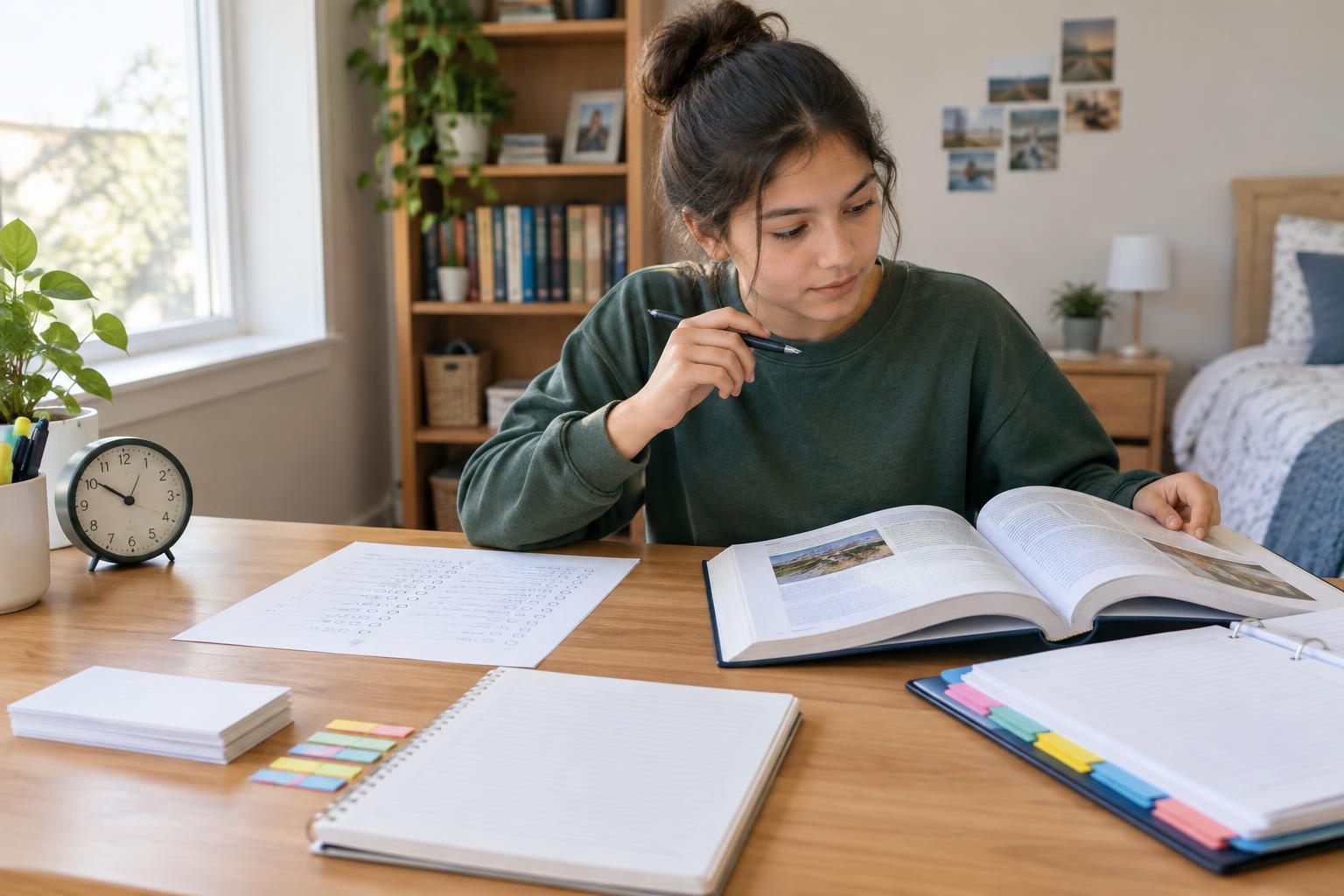
Study SkillsAn open-book test still calls for preparation. Learn how to check the rules, organize allowed materials, practice finding and using information, and manage your time during the test.
Read article · 3 min↗
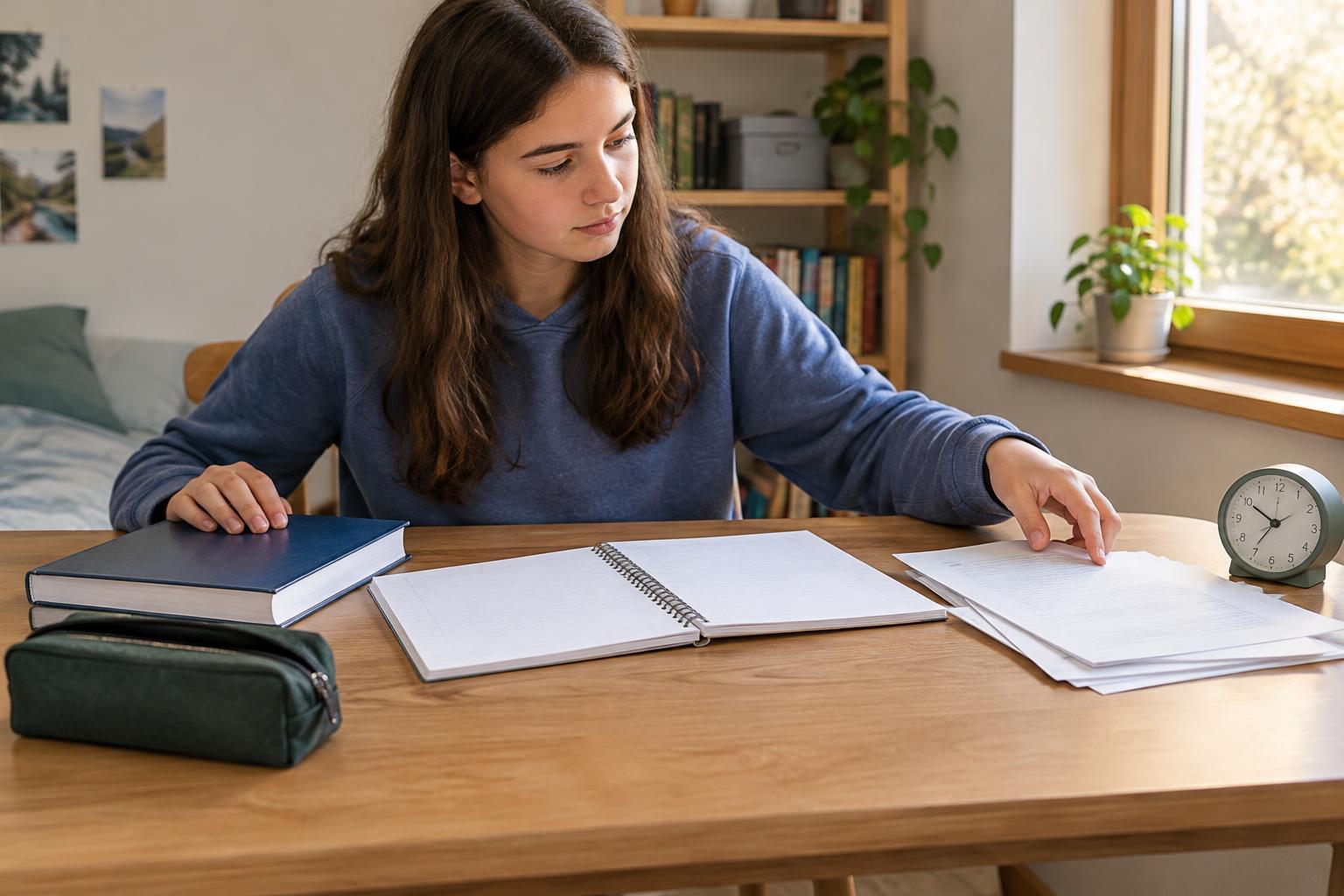
Study SkillsWhen several assignments need attention, choosing a starting point can feel like another assignment. Use deadlines, effort, and available time to make a practical plan, then adjust it when circumstances change.
Read article · 3 min↗
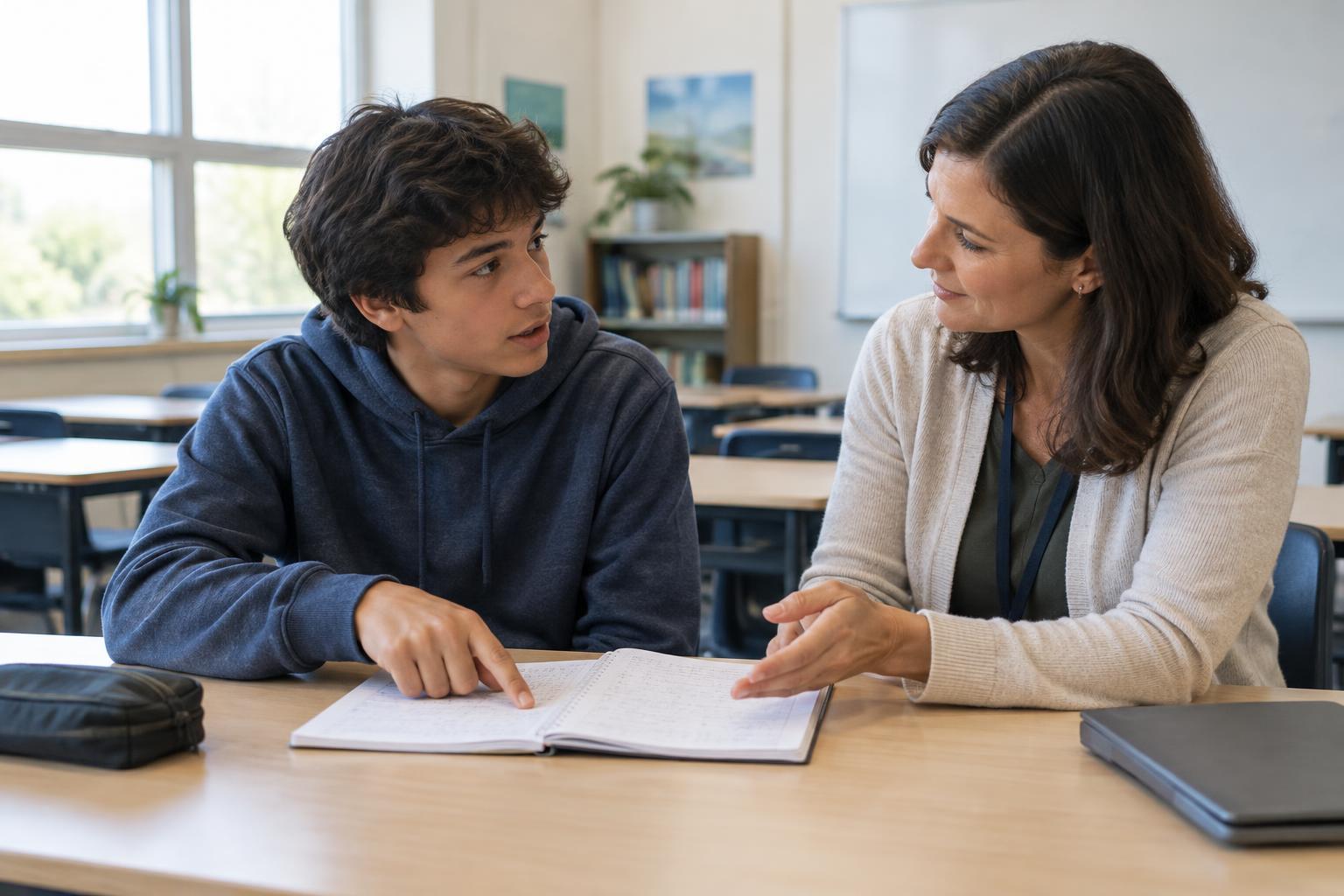
Study SkillsNot understanding a lesson is a normal part of learning. Use these questions to find the exact point where you got stuck, ask your teacher for useful help, and decide what to try next.
Read article · 4 min↗
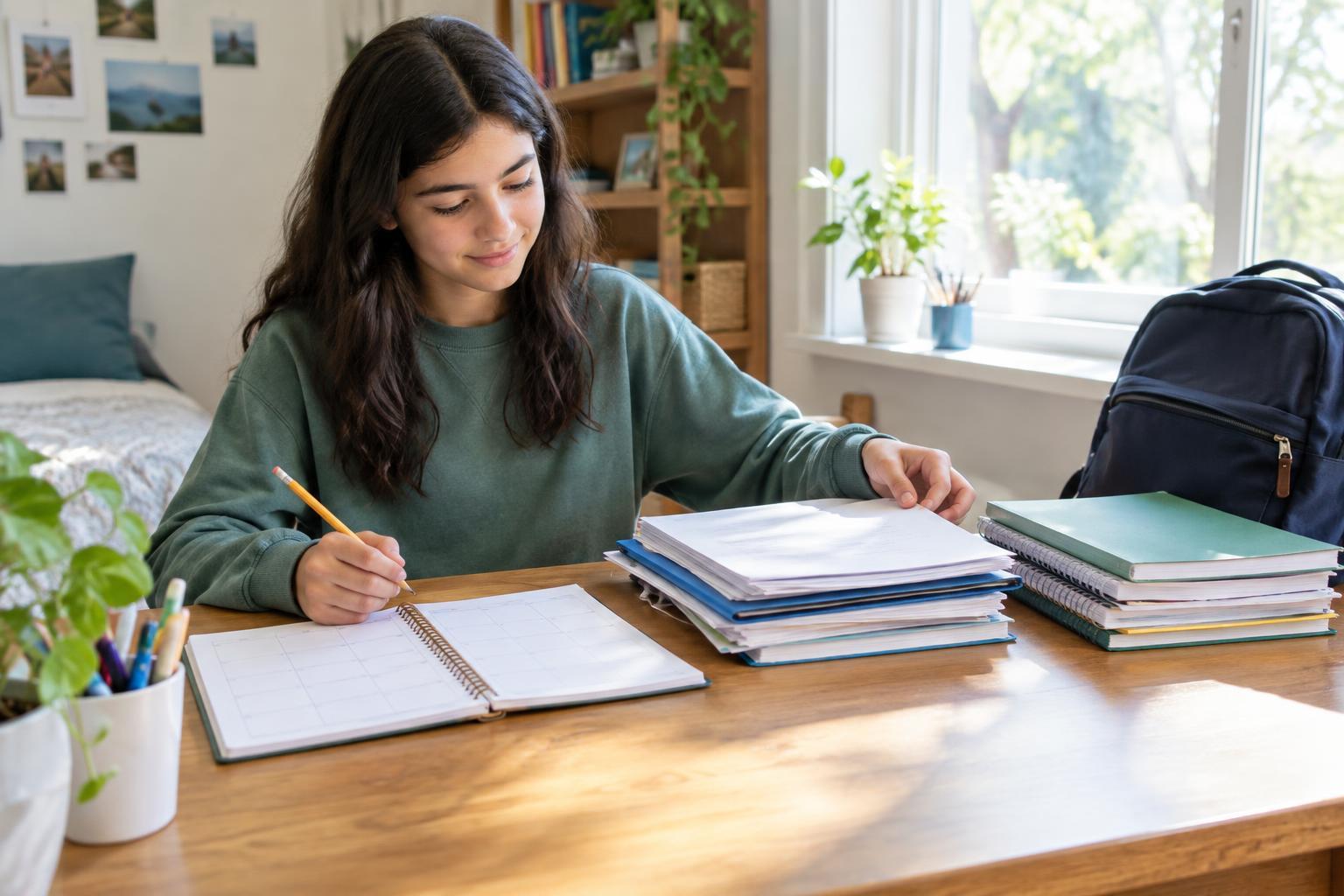
Study SkillsA missed day or week can leave you wondering where to begin. Learn how to find out what you missed, make a realistic plan, ask useful questions, and return to your usual study routine without trying to do everything at once.
Read article · 4 min↗

Study SkillsStudying together can help you explain ideas, catch gaps in your understanding, and stay motivated. A useful group session starts with a clear goal, gives everyone a chance to participate, and leaves room for quiet work.
Read article · 4 min↗
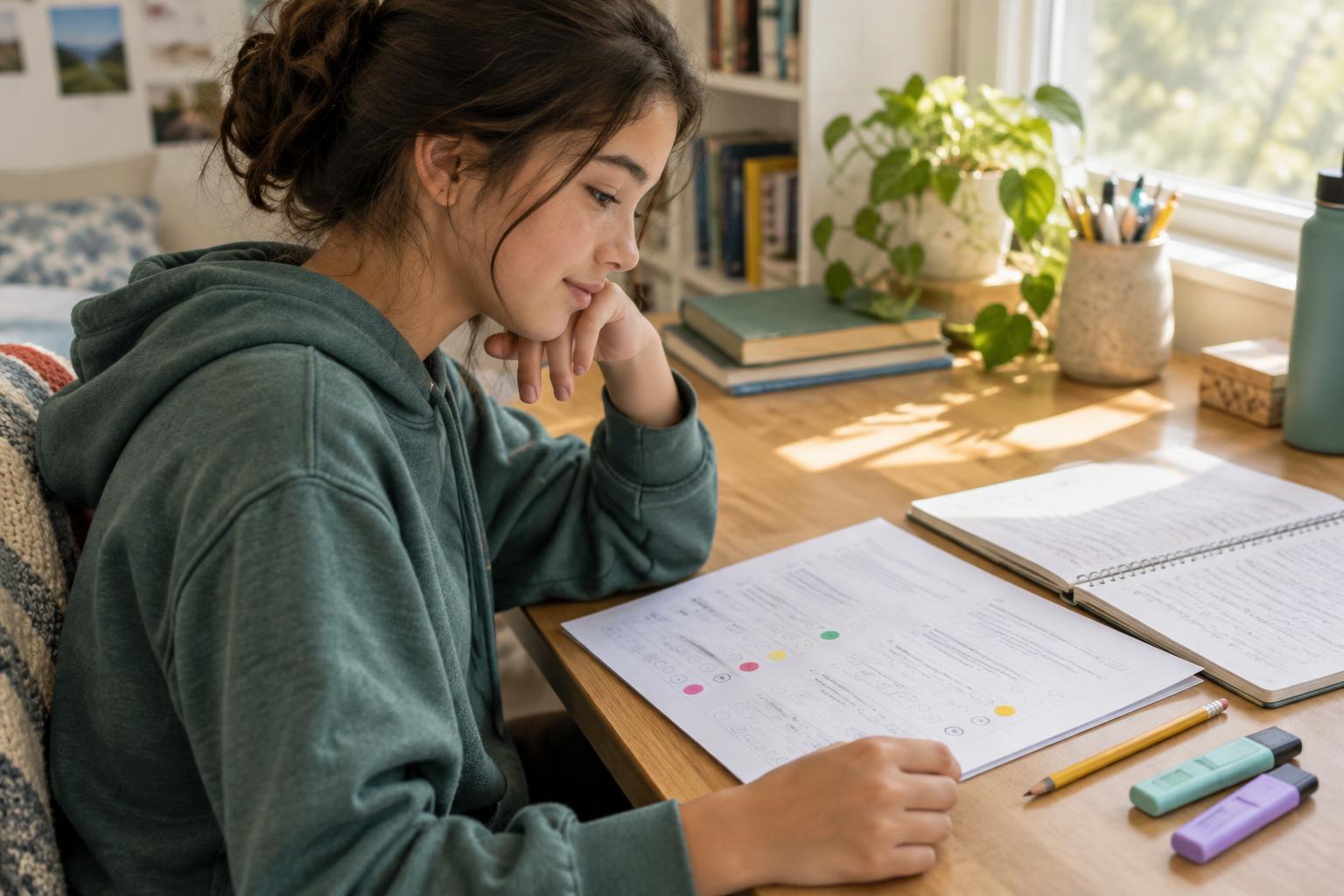
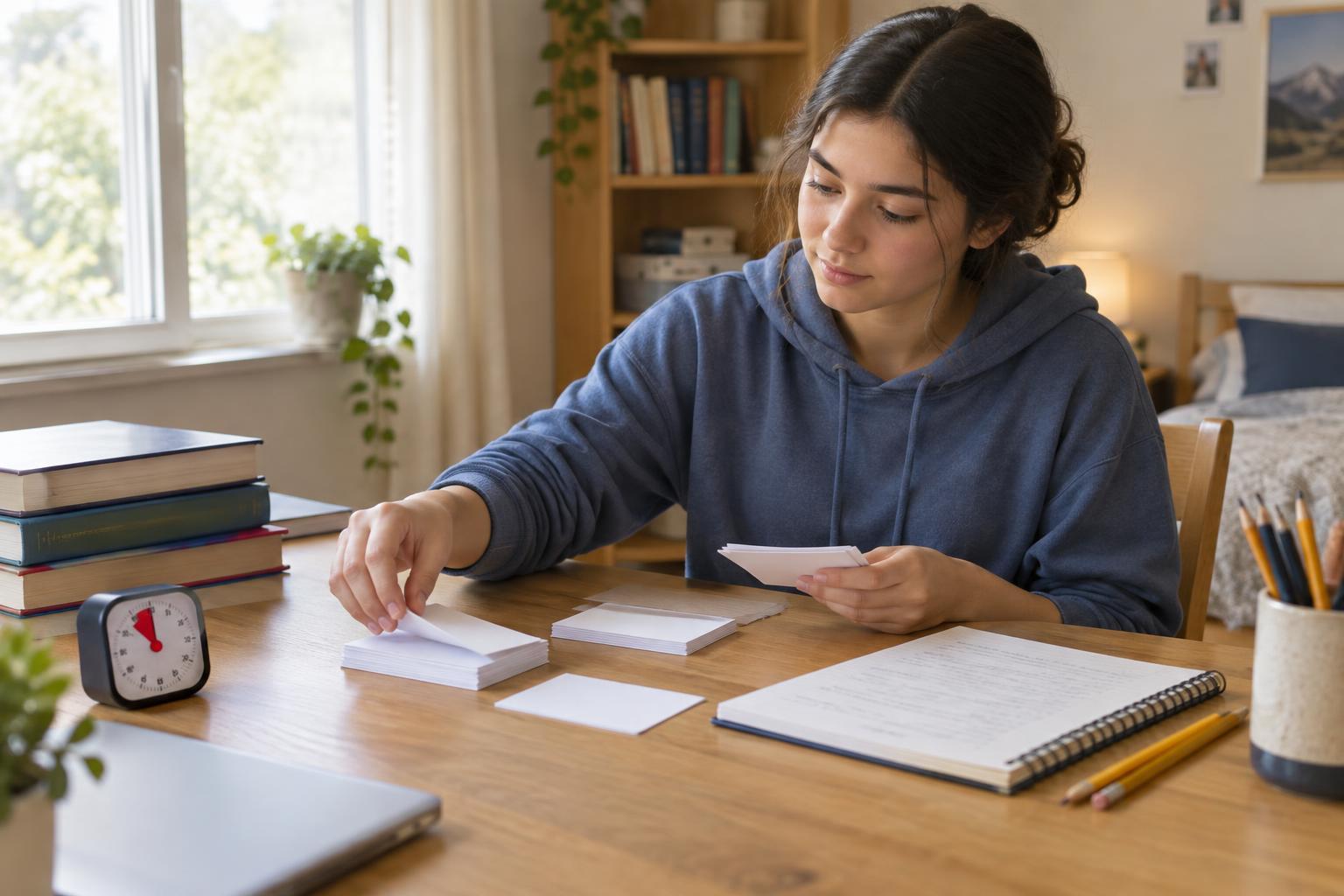
Study SkillsA useful study session starts with a clear goal, a short list of priorities and a plan for checking what you remember. Here’s a practical way to prepare without trying to do everything at once.
Read article · 4 min↗
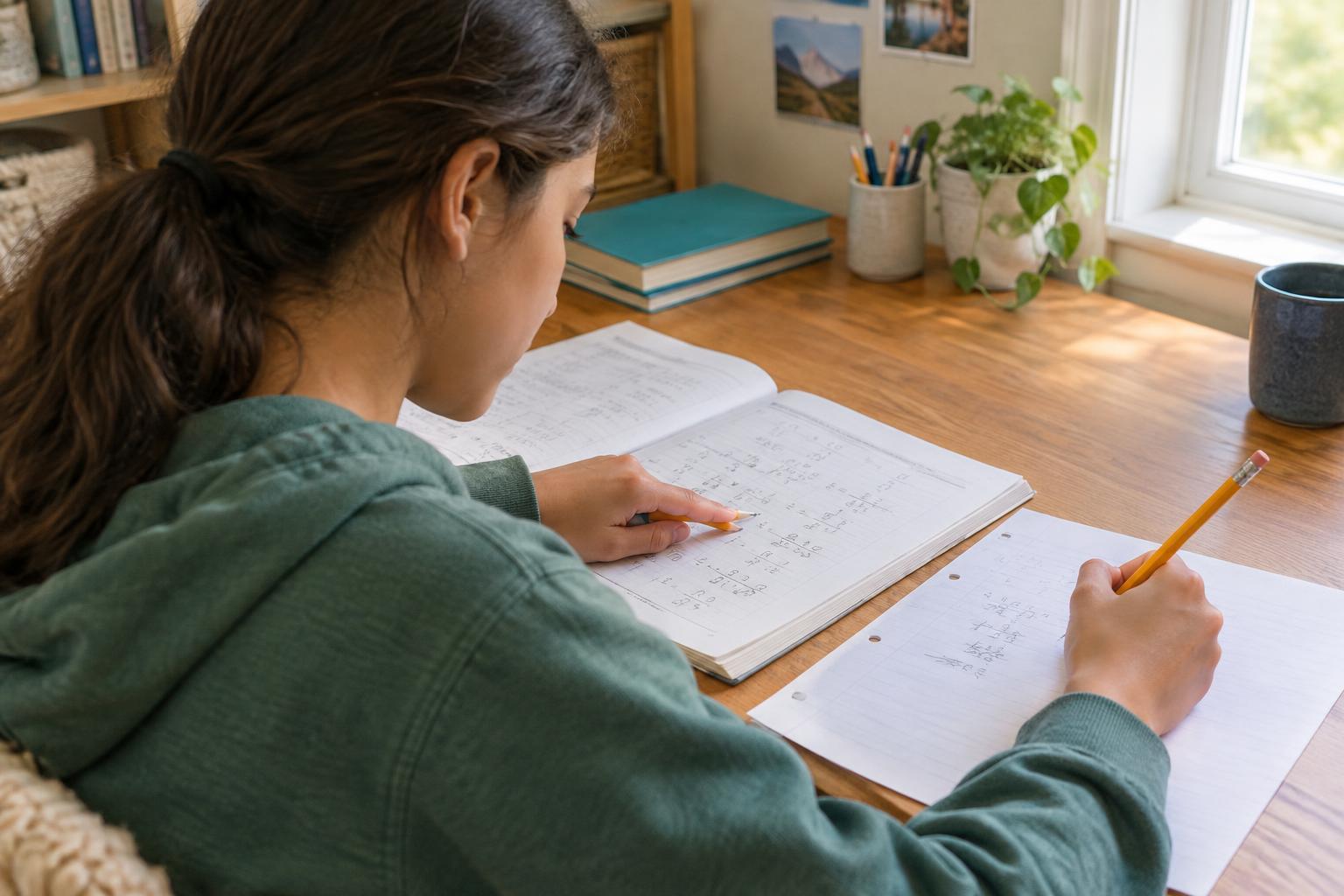
Study SkillsA wrong answer can tell you what to practice next. Learn a simple way to review homework mistakes, spot patterns, ask useful questions, and make your next attempt more effective.
Read article · 3 min↗
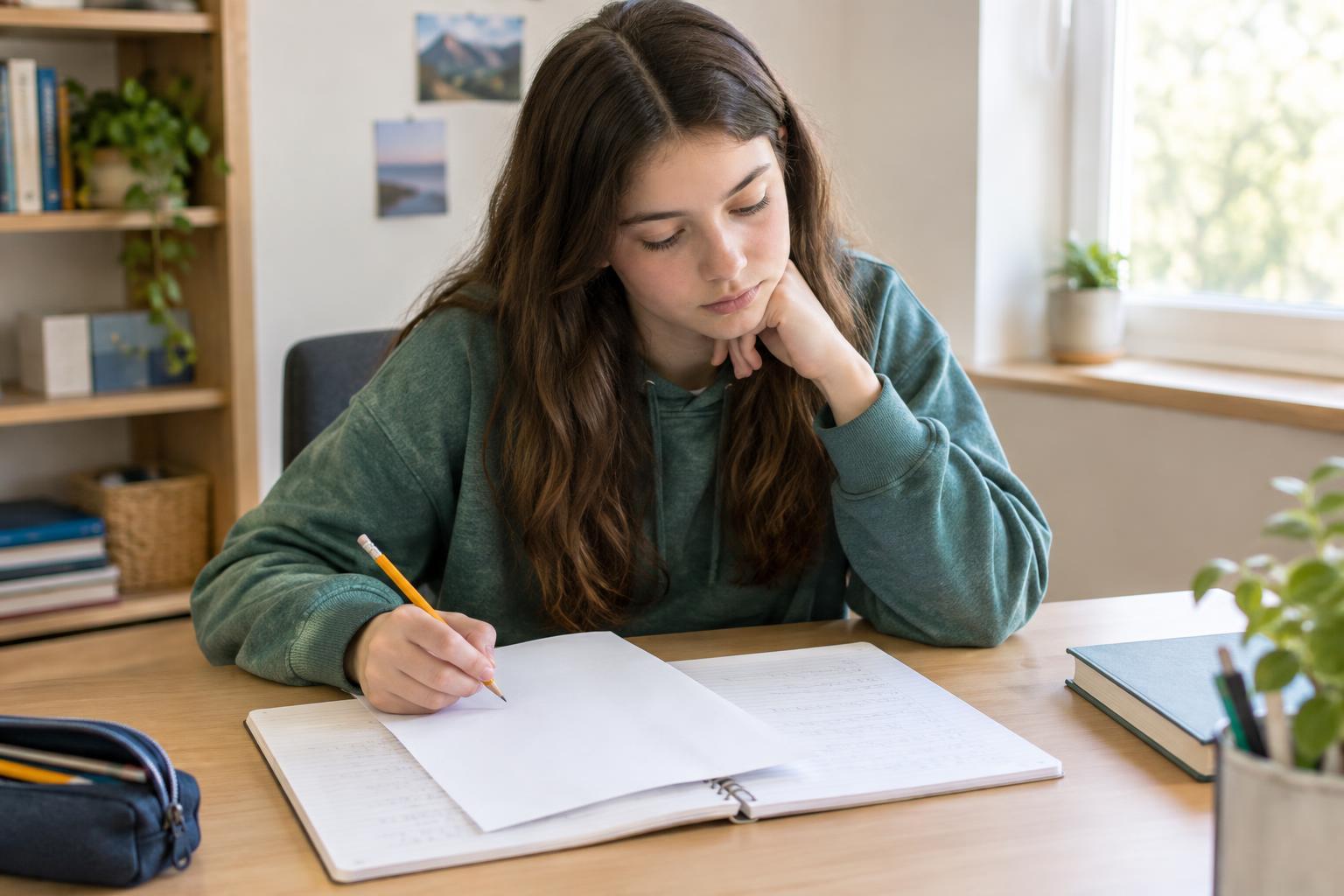
Study SkillsA worked example can do more than show the answer. Learn how to study each step, try a similar problem, check your reasoning and gradually solve more on your own.
Read article · 4 min↗
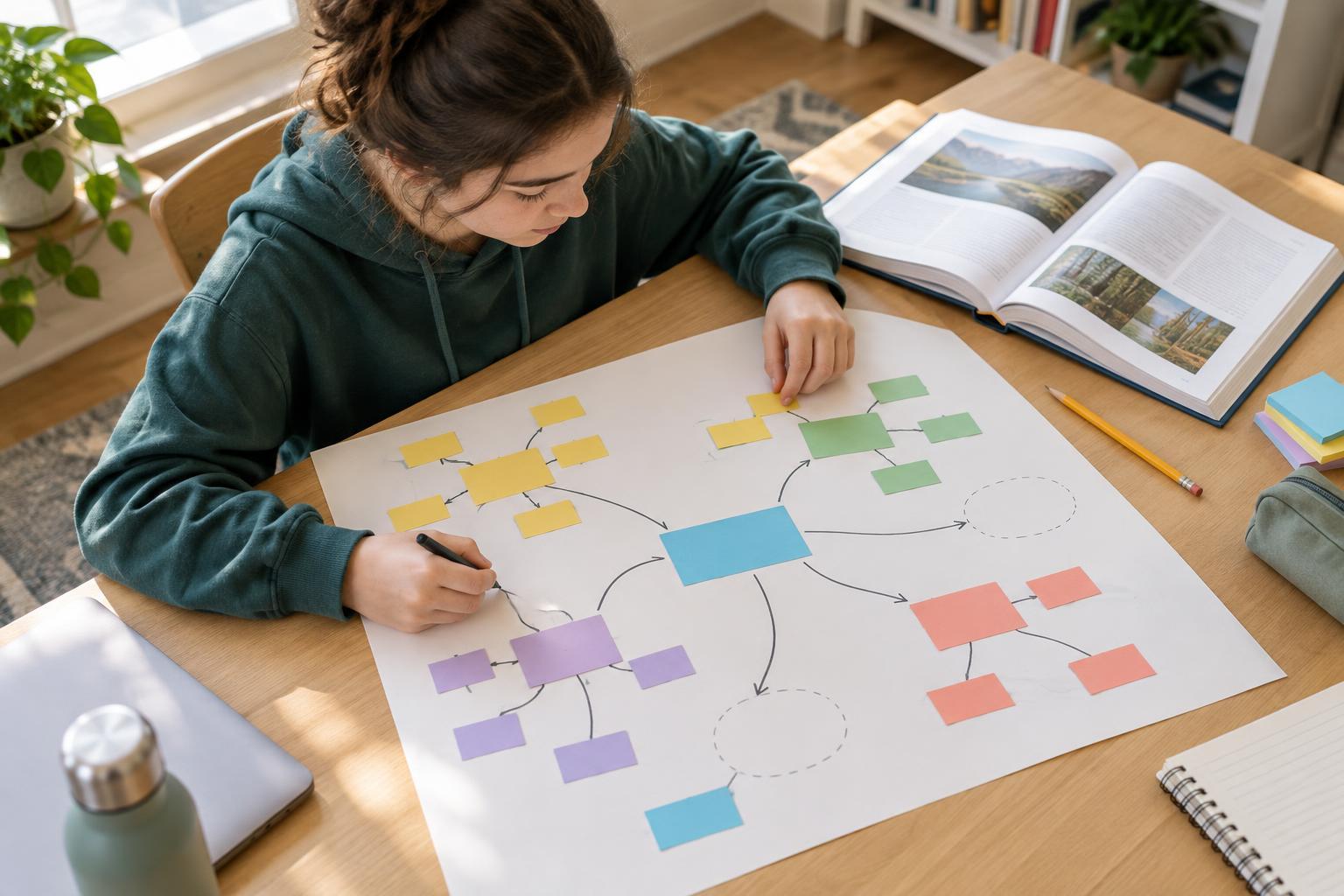
Study SkillsA concept map helps you see how lessons, readings and assignments fit together. Learn how to build one as a unit unfolds, label meaningful connections and use it to find gaps before a test or project.
Read article · 4 min↗

Study SkillsReading a chapter is more than reaching the last page. Learn how to preview the material, pause to explain key ideas, and test your understanding before moving on.
Read article · 4 min↗
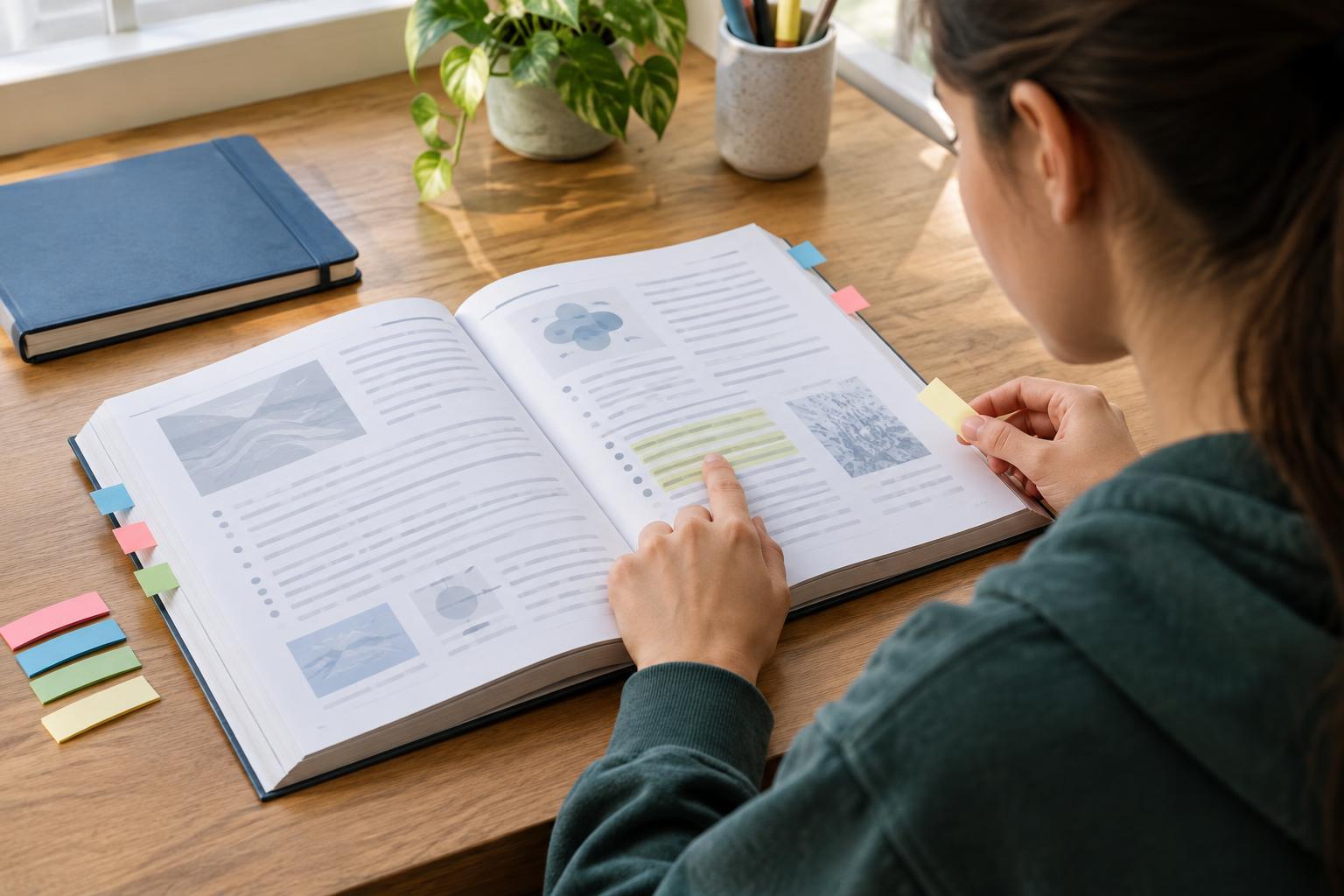
Study SkillsYou do not have to read every page the same way. Learn when to skim for the big picture, scan for a specific detail, and read closely for meaning, then combine all three approaches to make study time more useful.
Read article · 4 min↗
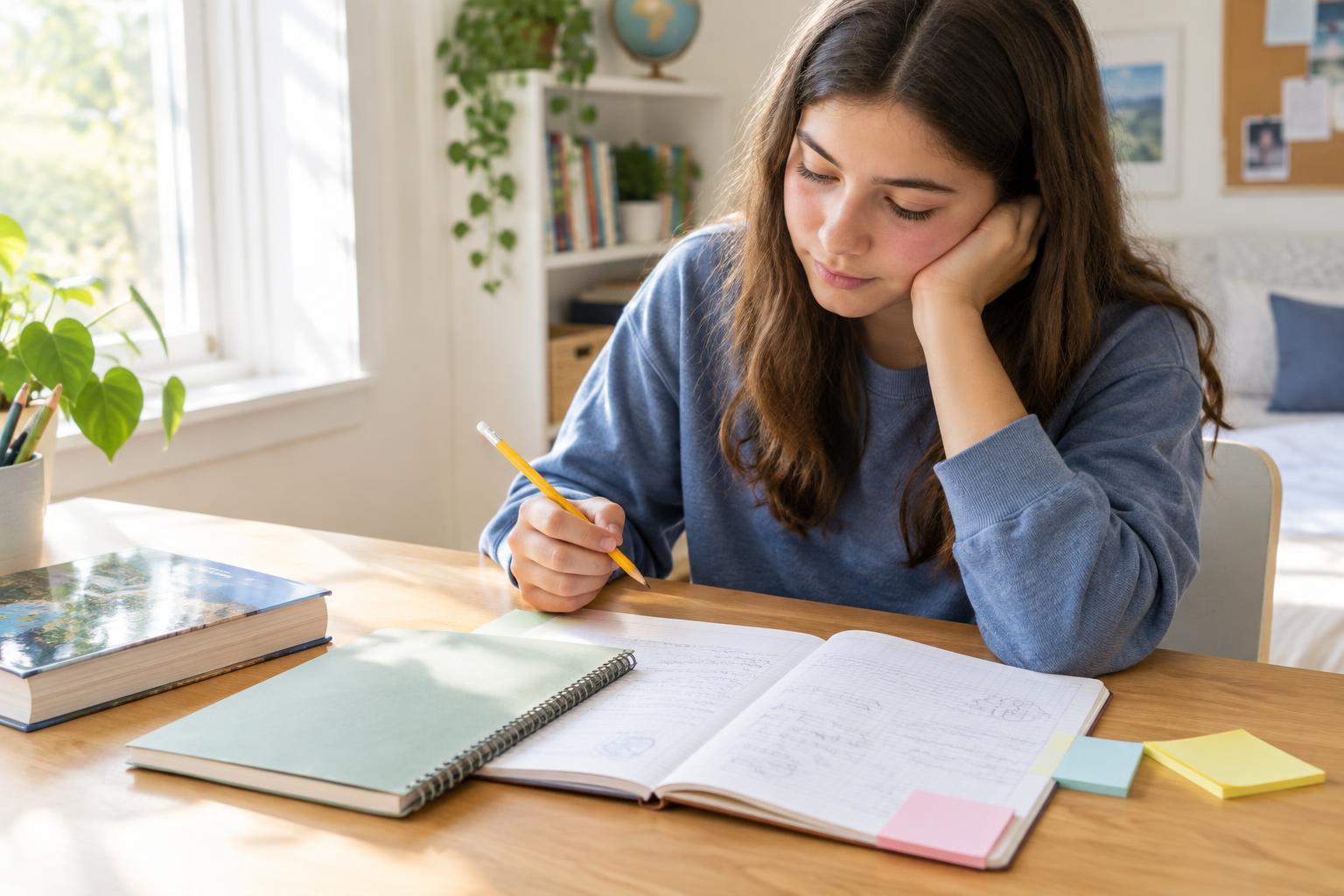
Study SkillsReading your notes again can feel like studying, but it may not show what you actually understand. Learn a simple routine for checking your notes, spotting confusing ideas and choosing what to do next.
Read article · 4 min↗

Study SkillsGood class notes do not have to capture every word. Learn how to spot important ideas, write them in your own words, mark questions, and turn a rough page into a useful study tool.
Read article · 4 min↗
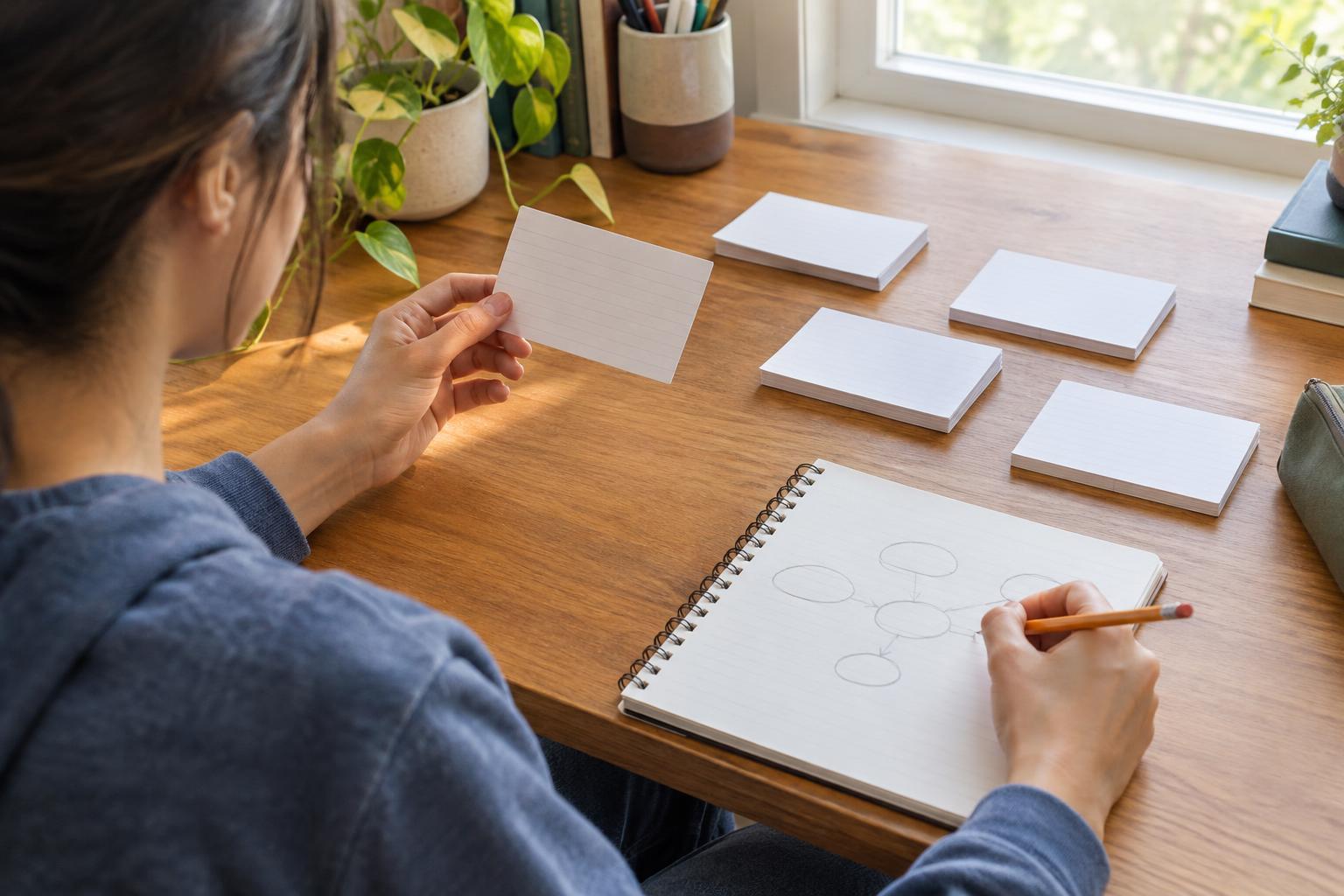
Study SkillsFlashcards are most useful when they ask you to retrieve, explain and apply an idea—not just recognize a definition. Learn how to write stronger prompts, check your answers honestly and use the cards to find what needs more practice.
Read article · 4 min↗
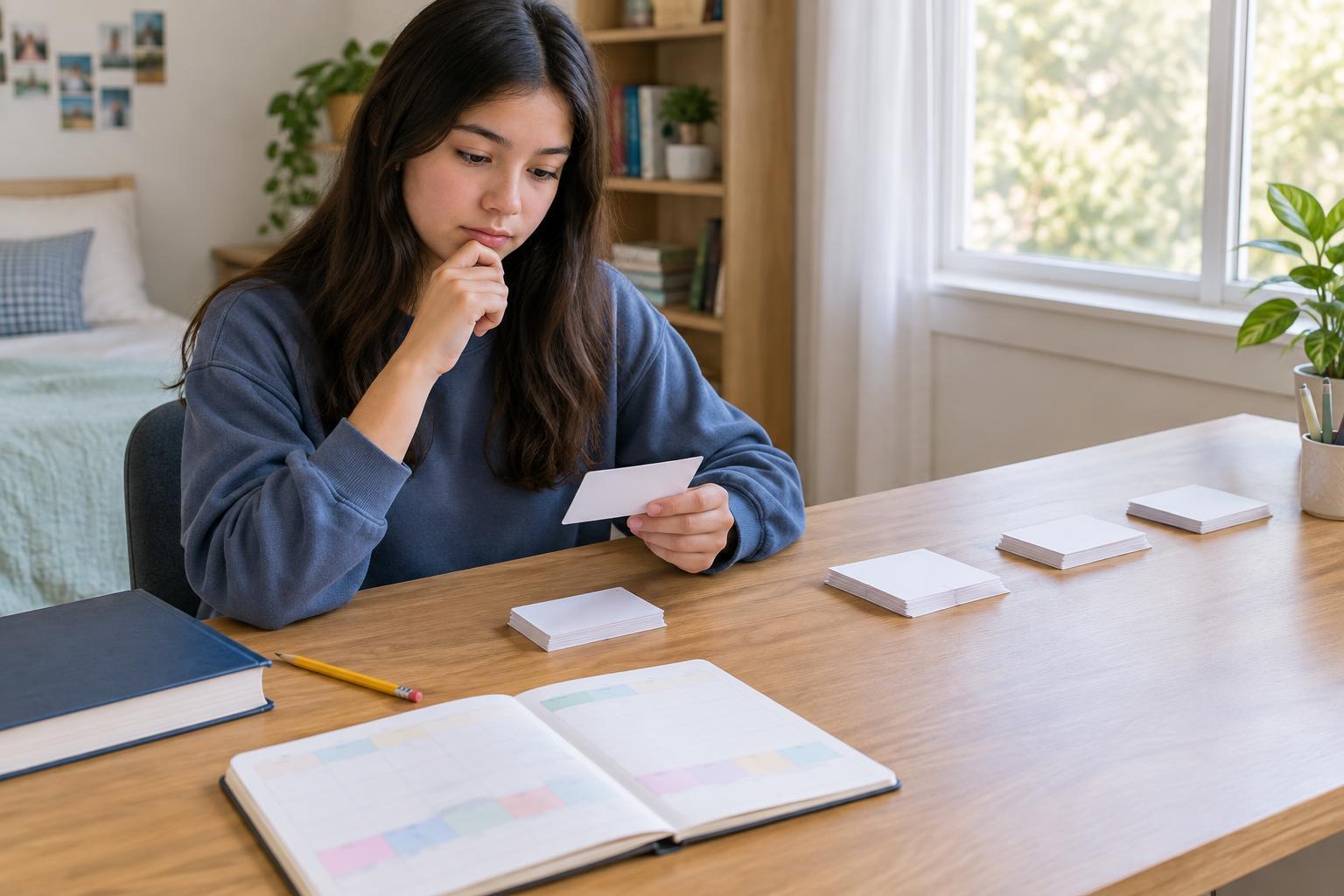
Study SkillsA long study session can make a topic feel familiar, but that feeling may fade. Spaced practice spreads short reviews across several days so you can check what you remember and return to what needs work. Here’s a flexible way to use it for vocabulary, concepts, and problem-solving.
Read article · 4 min↗
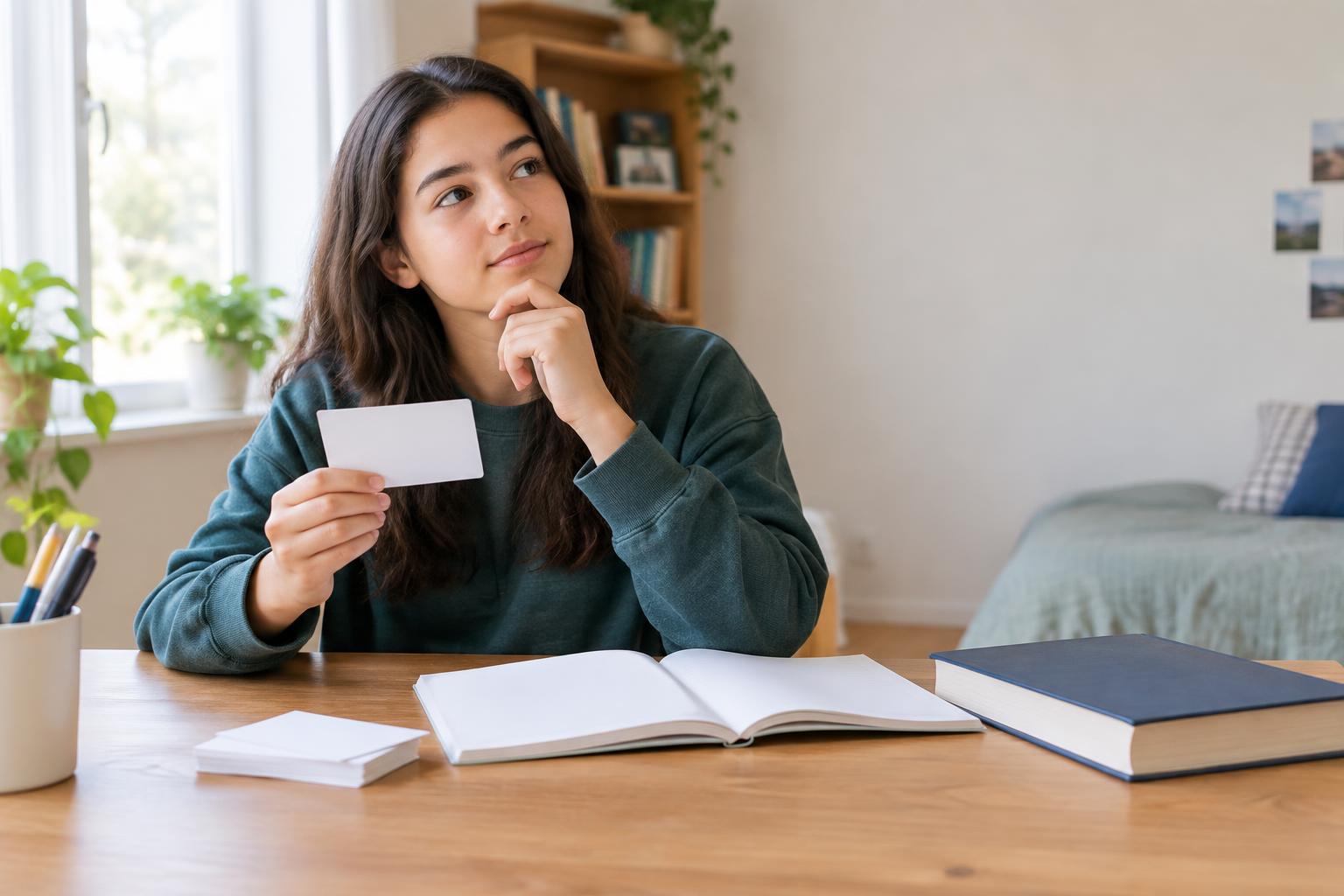
Study SkillsRereading notes can make a topic feel familiar, but remembering it without looking is a different skill. Learn when each approach is useful and how to build a study routine that combines understanding, self-testing and review.
Read article · 4 min↗
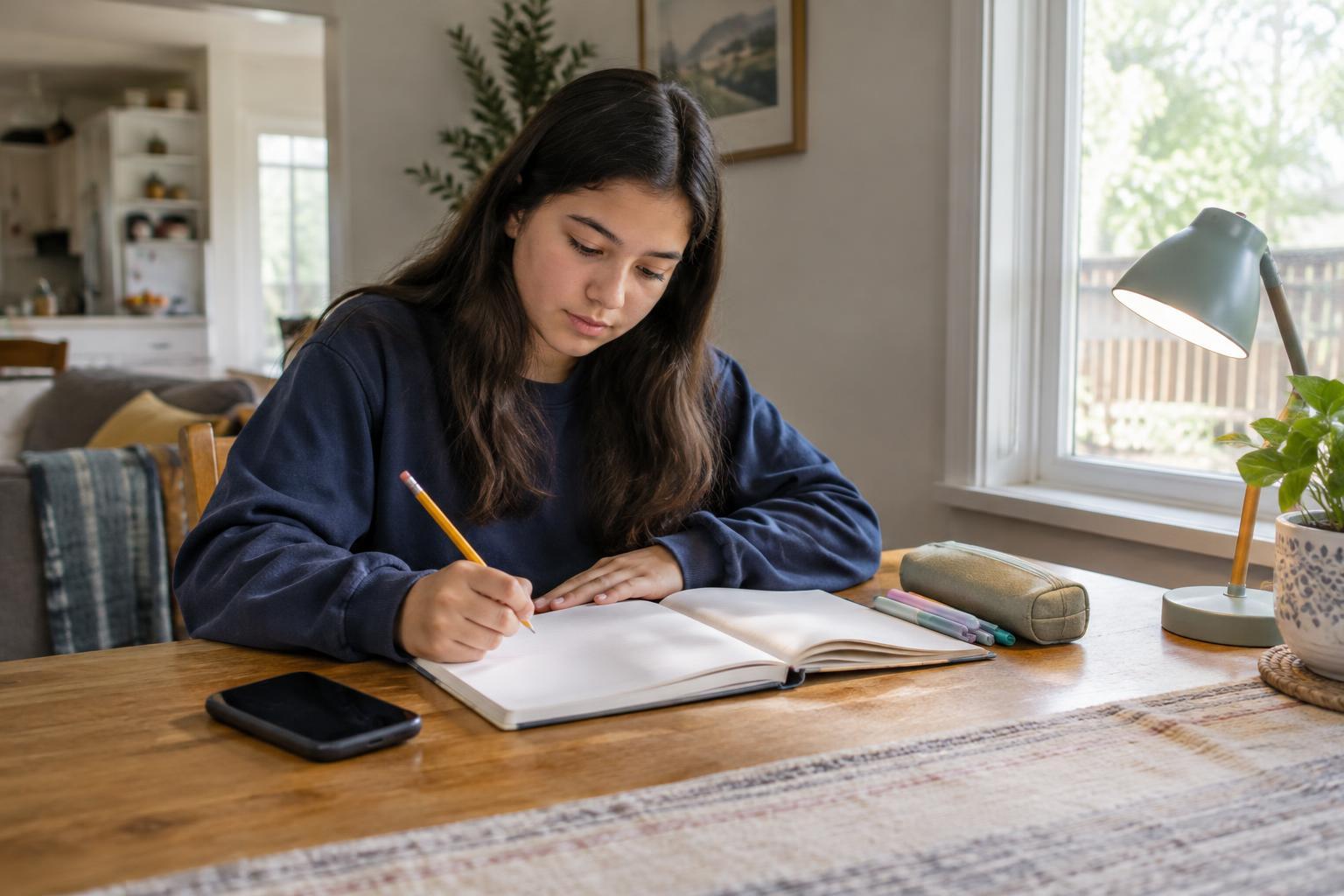
Study SkillsA useful study space does not need to be a private room or a new desk. Learn how to choose a workable spot, reduce distractions, keep supplies close and adjust your setup to fit the task.
Read article · 4 min↗
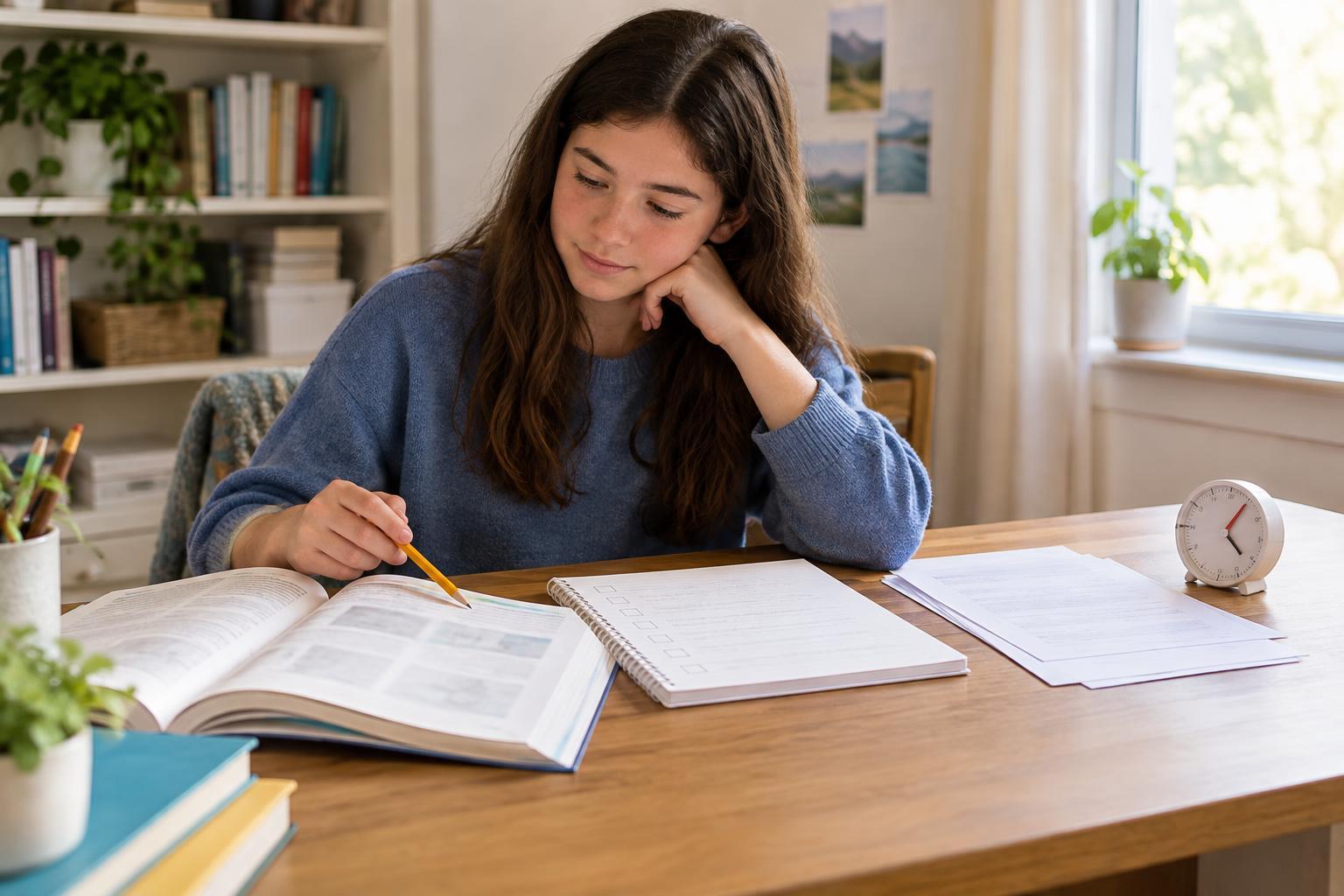
Study SkillsHomework often takes longer than it looks on a to-do list. Learn how to break assignments into steps, make a realistic first estimate, track your time without pressure, and adjust your plan when the work changes.
Read article · 4 min↗
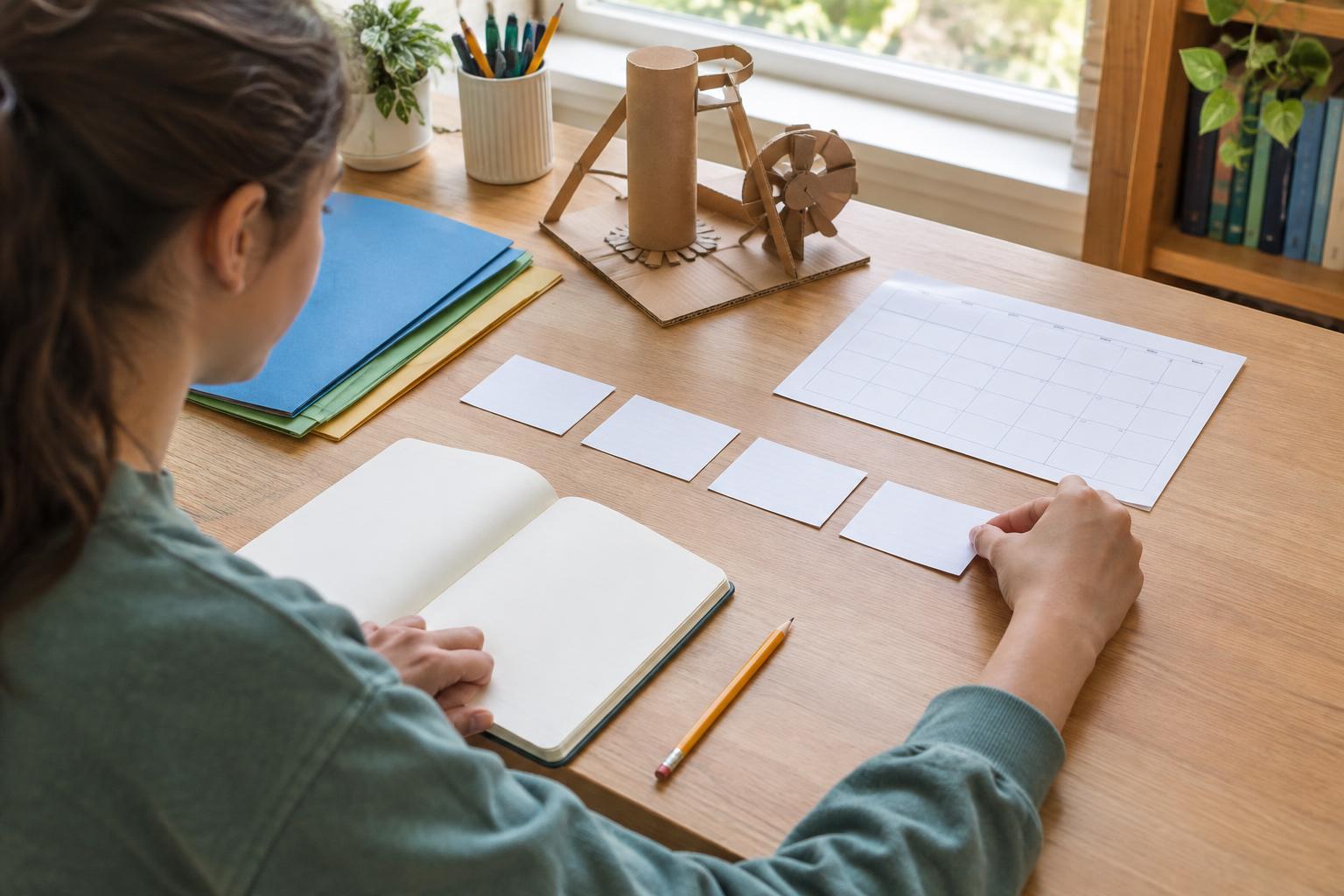
Study SkillsA long-term school project feels less overwhelming when you turn the assignment into a clear goal, a sequence of small tasks, and a schedule with room to adjust. Learn how to start, track your progress, and finish without leaving everything until the last day.
Read article · 4 min↗
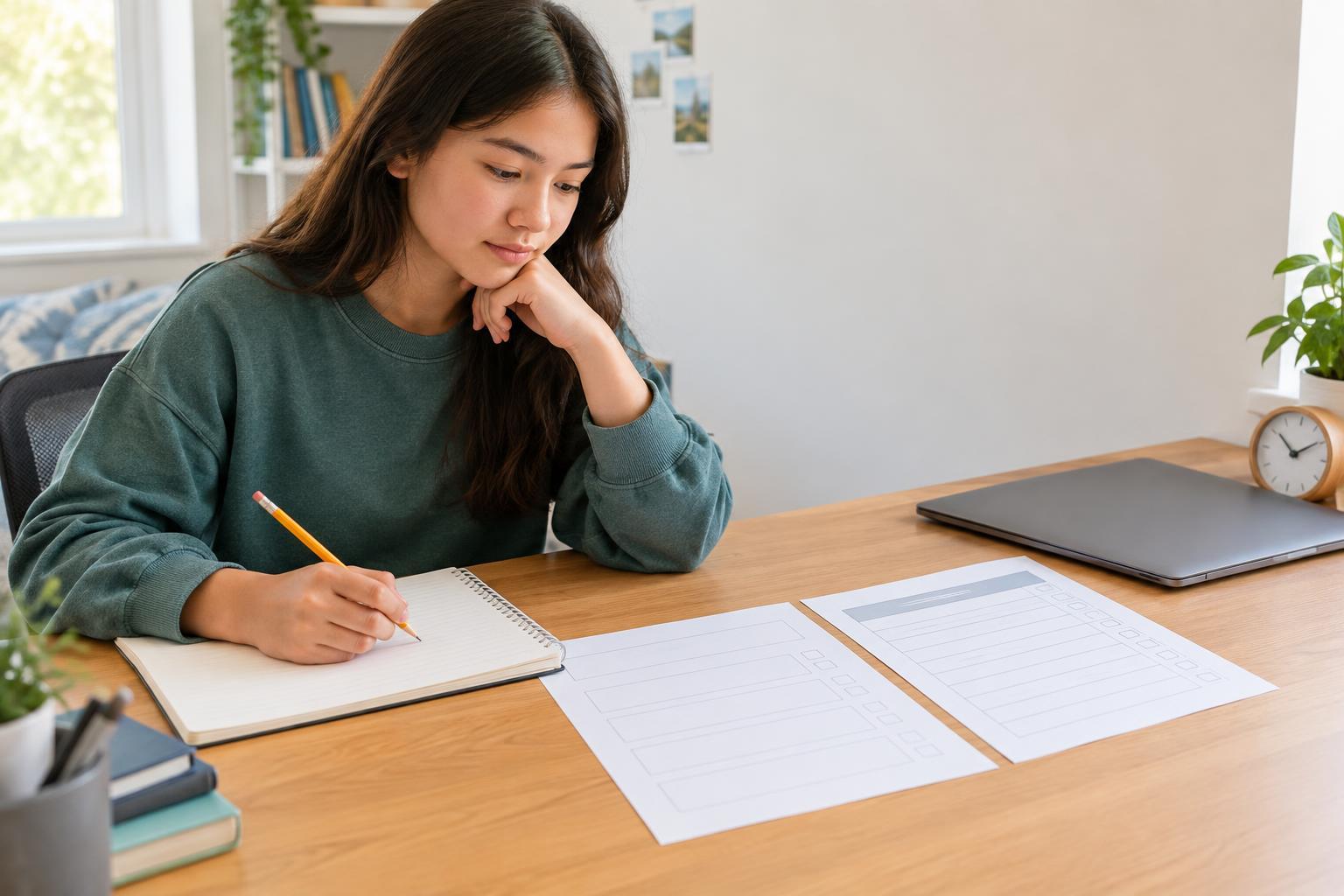
Study SkillsA grading rubric is more than a list of points. Reading it before you begin can help you understand the task, plan your time, and check your work before you turn it in.
Read article · 4 min↗
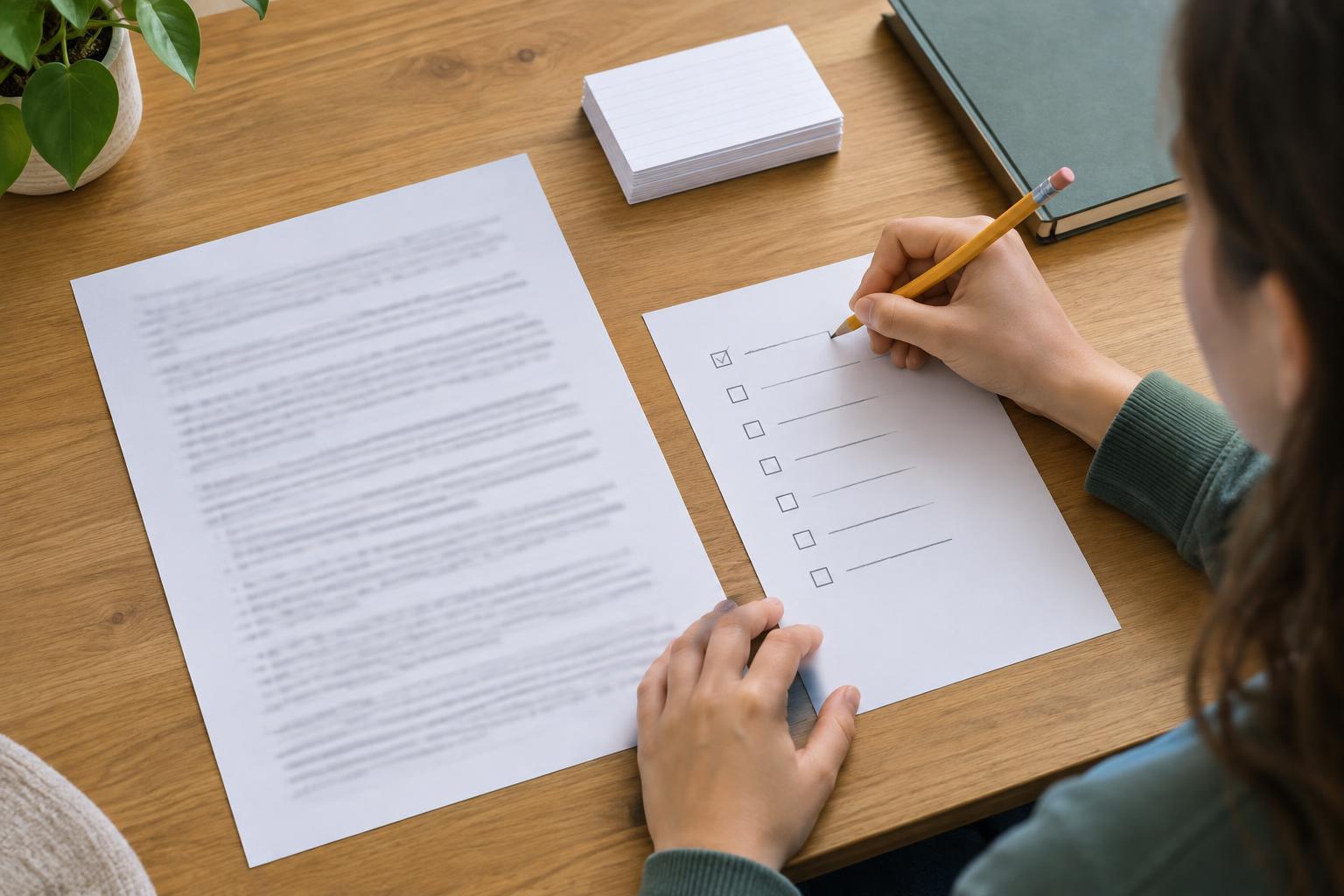
Study SkillsA long assignment prompt can feel like one enormous job. Learn how to find the deliverable, separate instructions from choices, and turn the work into small steps you can actually start.
Read article · 4 min↗