Start with the plan, not the bag
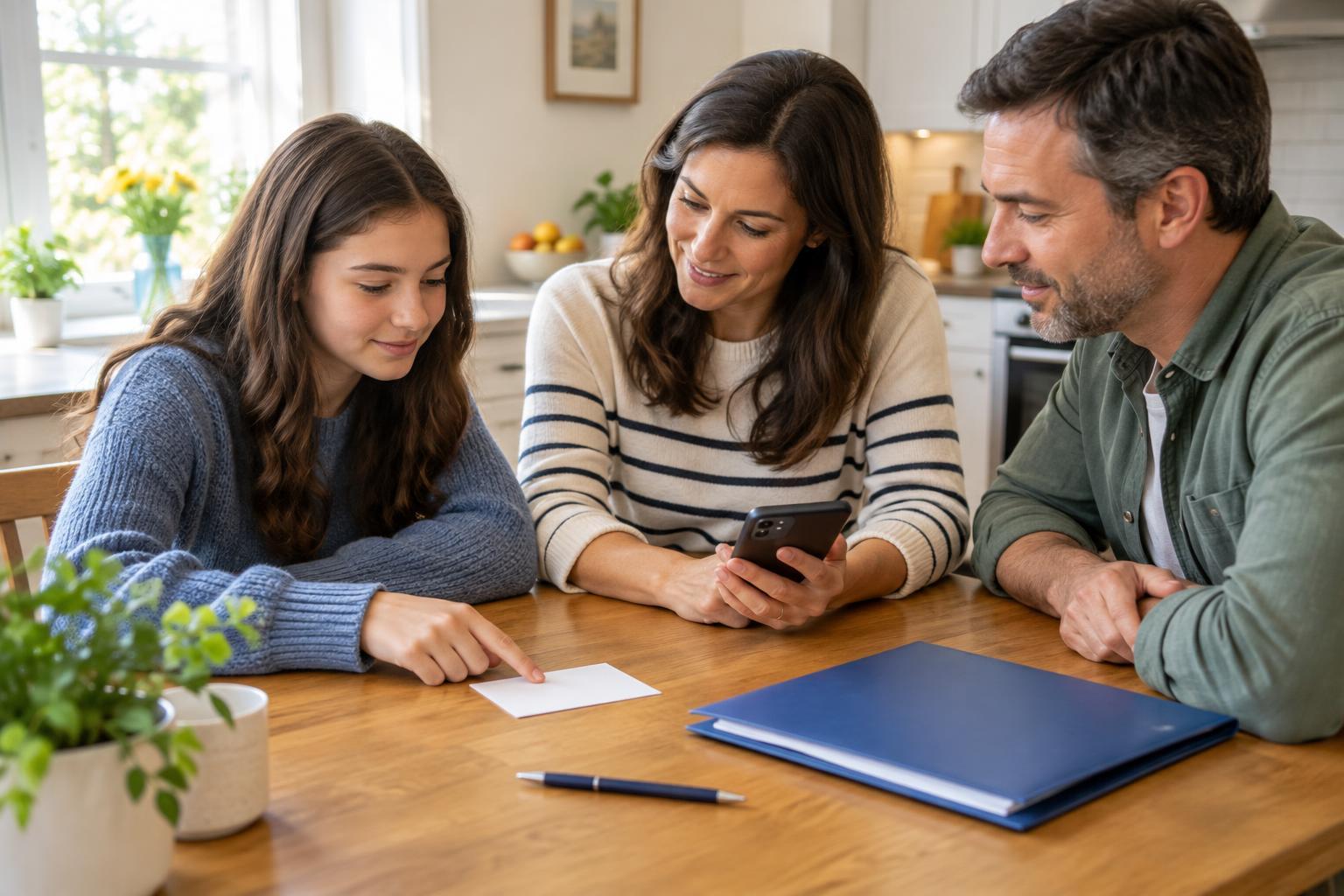
Before you pack, picture the whole day: where you are going, what you will do, how you will get there and when you expect to return. A museum visit, a sports event and an afternoon at a friend’s house call for different things. Check any instructions from the place you are visiting, and ask the person organizing the outing about anything unclear.
Think about what will be available when you arrive. Will there be a place to refill a water bottle? Do you need to bring lunch, or is food already planned? If you will be outdoors, consider the forecast and whether you might need a layer or rain protection. These questions help you avoid both missing an essential and carrying things you will never use.
Choose a bag you can comfortably carry yourself. A backpack or small shoulder bag is usually easier to manage than several loose items. Give important things, such as a transit pass or keys, a consistent pocket so you can find them without emptying the bag.
Pack the everyday essentials
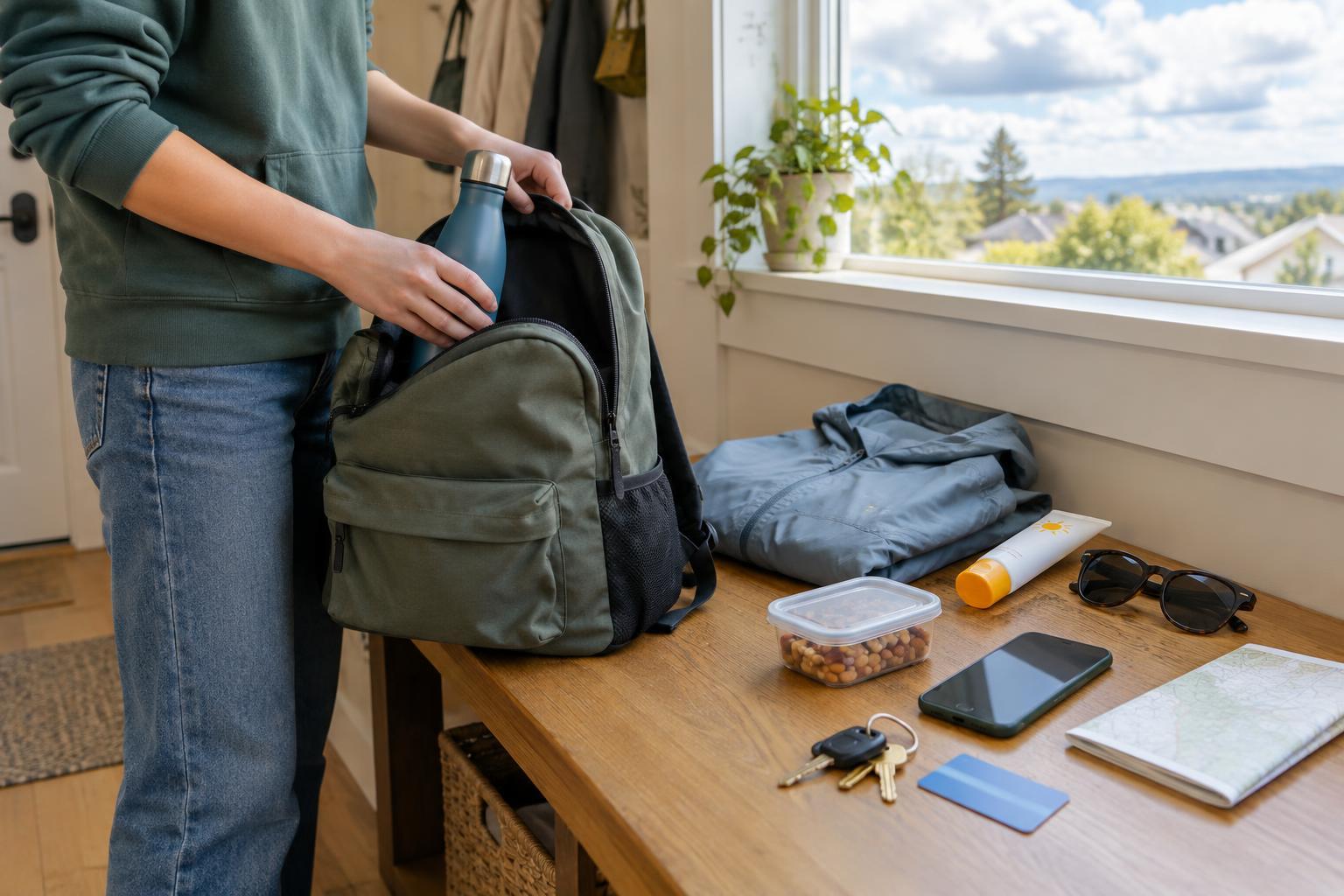
Start with what you need to get through the day and return home: any required ticket or pass, your phone if you use one, keys you are responsible for, and a small amount of money or another agreed way to pay. Bring any identification the activity requires, but do not carry extra cards or valuables without a reason.
Add a filled water bottle and food if meals or snacks are not provided. Choose something that will travel well and fits any rules for the venue. If you take something you need during the day, such as a prescribed medication, follow the plan you have made with your parent, caregiver or another responsible adult. Do not leave an important item to a last-minute memory test.
A compact set of useful extras might include tissues, hand sanitizer, a small bag for rubbish or damp items, and a charger or power bank if you expect to rely on your phone. Keep these extras in proportion to the outing. The goal is to be prepared, not to pack for every possible situation.
Add what the activity and weather require
Now make a short activity-specific list. For a swim, that could mean a swimsuit, towel and a bag for wet clothes. For a study session, it might be a notebook, pencil and the assignment you plan to work on. For a long walk, comfortable shoes matter more than extra entertainment. Check whether your destination has rules about bag size, food or equipment before adding bulky items.
Pack for changes you can reasonably expect. A light layer can help if the temperature drops or an indoor space feels cool. A rain jacket may be more useful than an umbrella when you need both hands free. If you will spend time outside, bring sun protection suited to your plans. You do not need every option; choose what matches the day.
It can also help to bring one quiet way to pass waiting time, such as a book, sketchbook or downloaded activity. Pick something you can put away quickly when it is time to join the group or move on.
Make the trip home part of your checklist
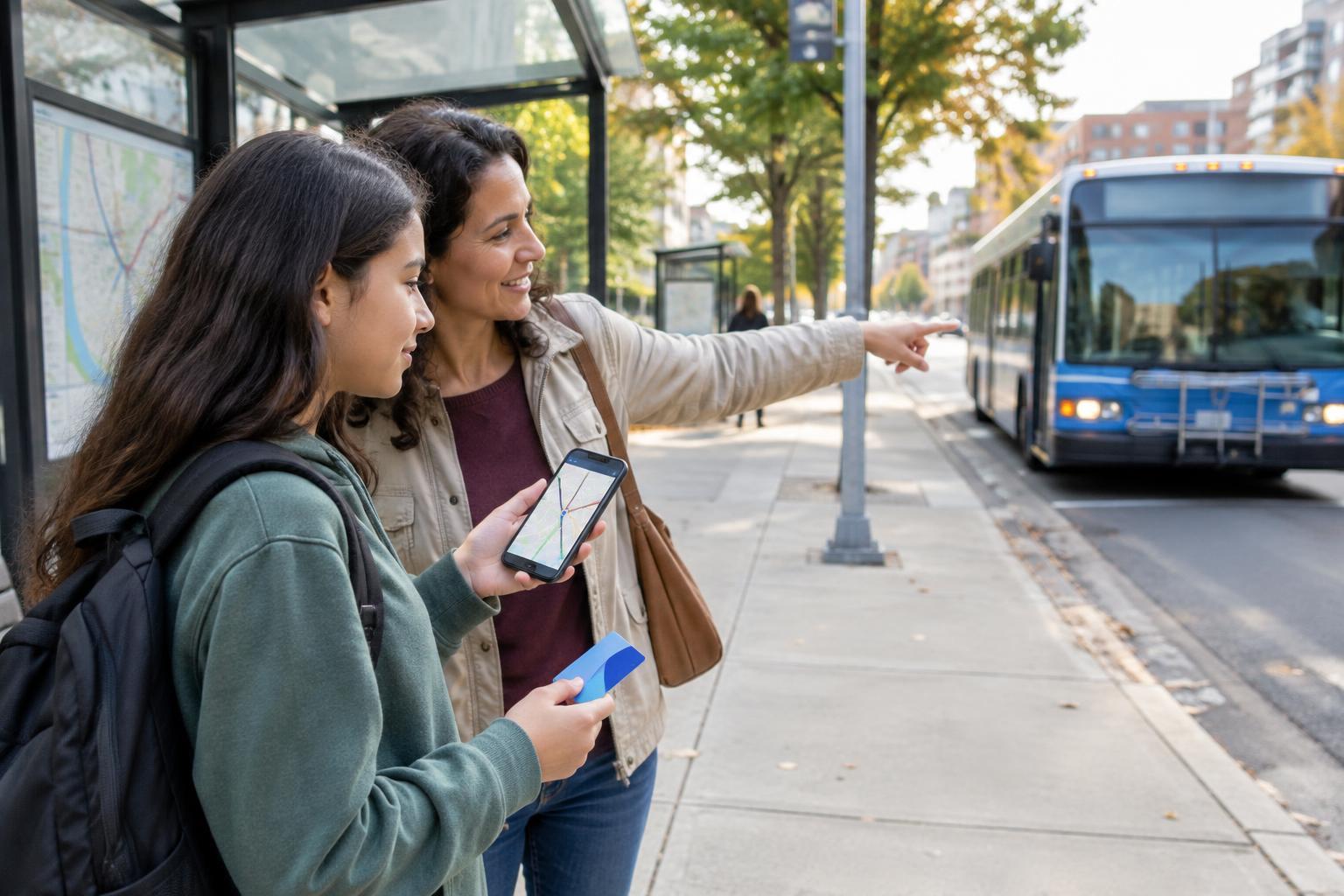
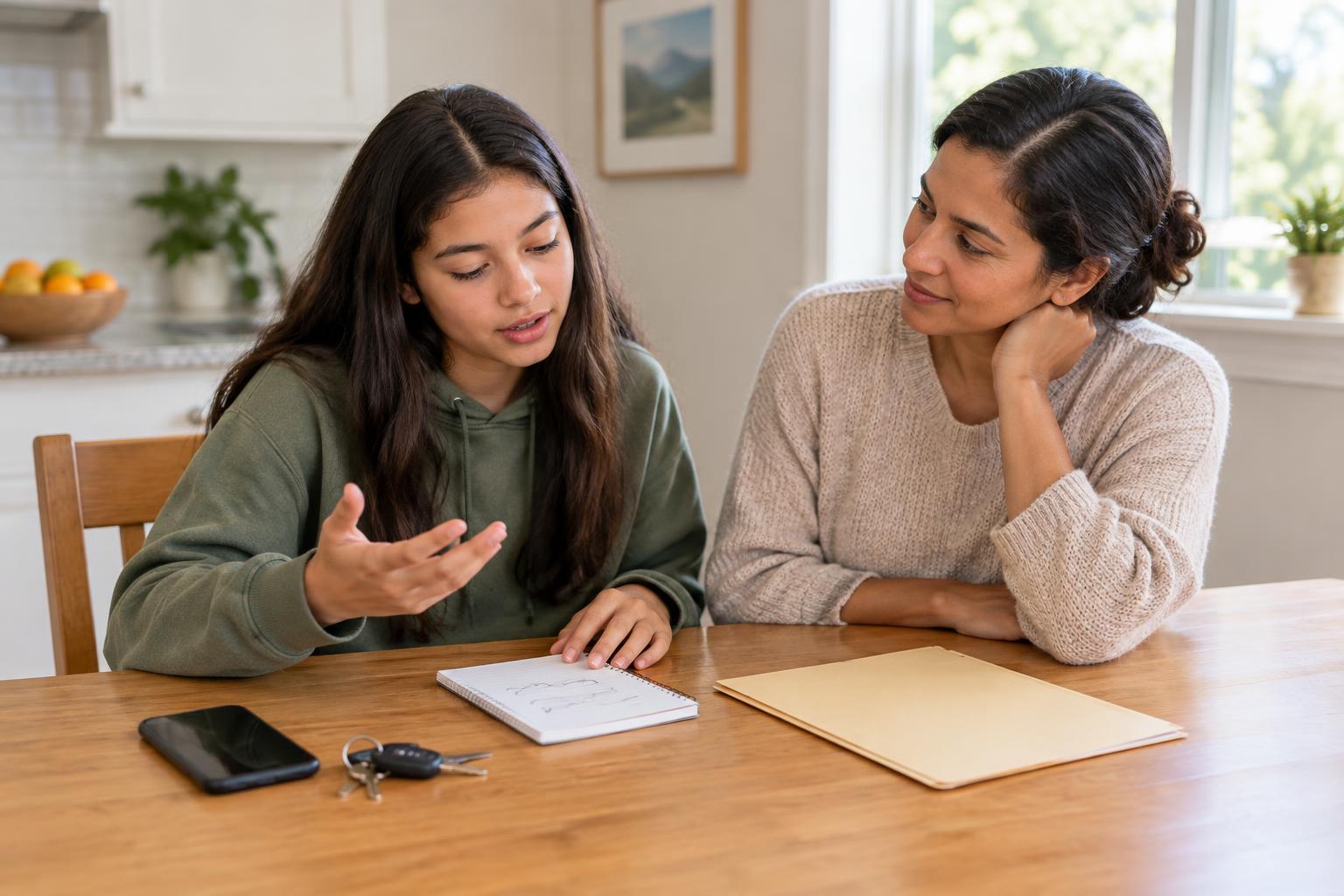
Packing is not only about arriving prepared. Make sure you know how you expect to get home, where you need to meet someone and what time you should be there. If plans change, know whom to contact. A charged phone is useful, but it is wise to have an agreed backup plan in case the battery runs low or you cannot get a signal.
Keep travel essentials easy to reach without displaying them unnecessarily. Put your pass, ticket or fare in a secure pocket, and check that you have any information you will need for the return journey. If someone else is picking you up, confirm the meeting spot beforehand rather than trying to decide while everyone is leaving.
Do a quick check before you leave
Lay everything out and sort it into three groups: must bring, useful if there is room, and leave at home. Put the must-bring items in first. Close the bag and carry it for a moment. If it feels awkward or heavy, remove a less important item or choose a better way to arrange the weight.
Just before leaving, run through a short check: way in, way home, water or food plan, weather item, activity item, and a way to contact someone if needed. Check again when you leave each stop, especially after sitting down to eat or changing clothes. Using the same simple routine each time makes packing a skill you can adjust for bigger outings later.