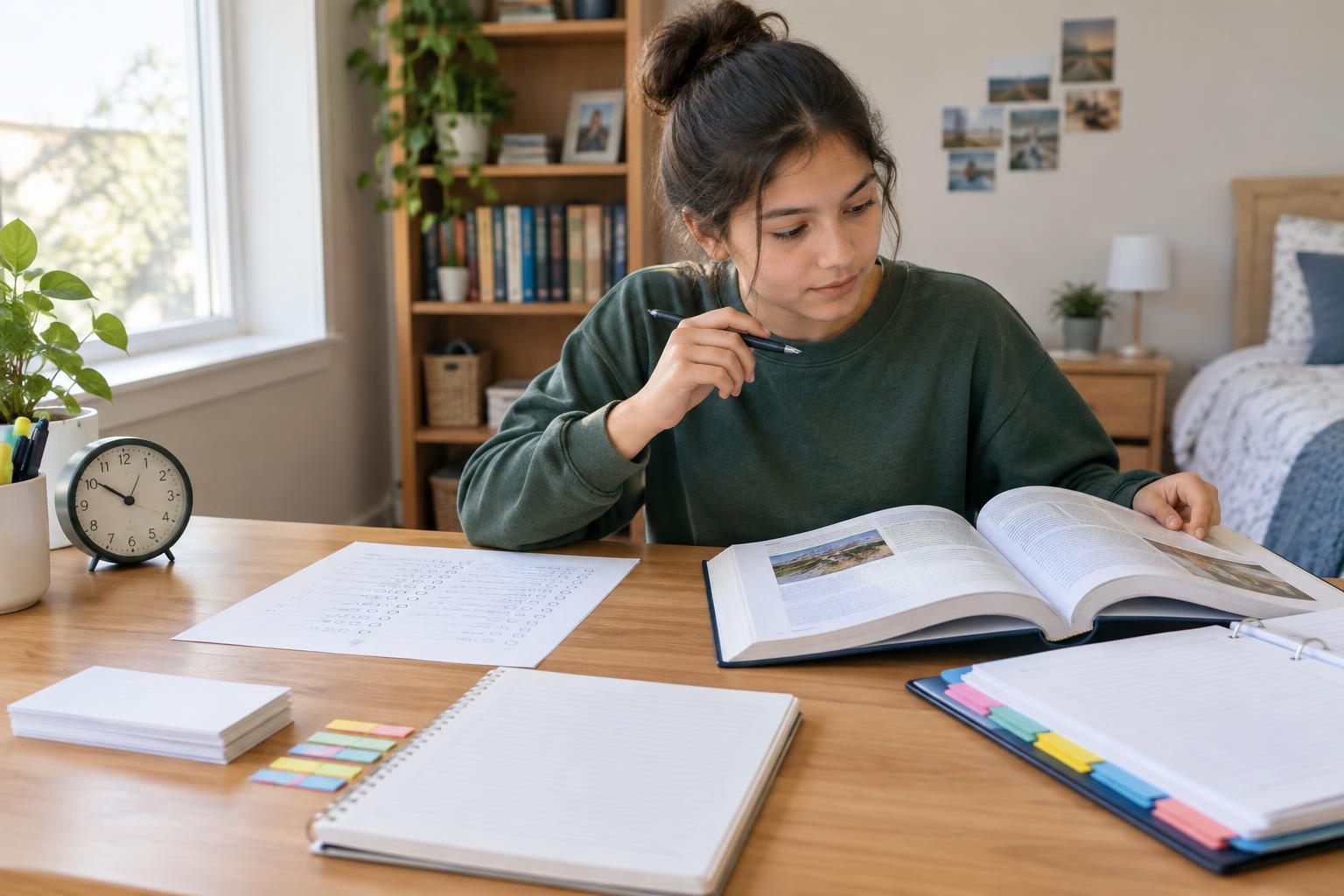
Begin by noticing what already works
You finish a drawing, short story, song, or video, then notice something you want to change. It can be tempting to start again immediately. Before you do, take a break if you can. Even a short pause can help you look at the project as something you made, rather than something you are still trying to make.
When you return, identify two things you want to keep. Maybe the opening sentence makes you curious, the colors create the mood you wanted, or one part of the melody is easy to remember. Write those strengths down or mark them on a copy. This gives you a starting point for revision: you are improving the project, not replacing everything that makes it yours.
Next, finish this sentence: “I want someone experiencing this project to feel, notice, or understand…” Your answer does not have to be grand. “I want the ending to feel surprising” or “I want people to notice the bicycle first” is enough. That intention will help you decide which changes matter.
Make one pass for the big picture
On your first revision pass, ignore tiny mistakes. Ask whether the whole project does what you intended. In a story, check whether the main character’s choice makes sense and whether each scene helps the reader reach the ending. In a picture, step back and see where your eye goes first. In a song or video, listen or watch from beginning to end without stopping: are there parts that feel too long or difficult to follow?
Choose one big-picture change to try before making a long list of fixes. You might move a scene, simplify a crowded background, or shorten an introduction. If possible, save the earlier version or work on a duplicate. Knowing that you can return to it makes experimenting less intimidating. Then compare the versions against your original intention, rather than assuming the newer one must be better.
Some changes create a new problem. Cutting a scene might speed up a story but remove an important clue. Brightening one part of an image might draw attention away from the subject. That does not mean revision failed; it tells you what to adjust next. Keep the change, adapt it, or undo it based on what you actually see and hear.
Make another pass for details
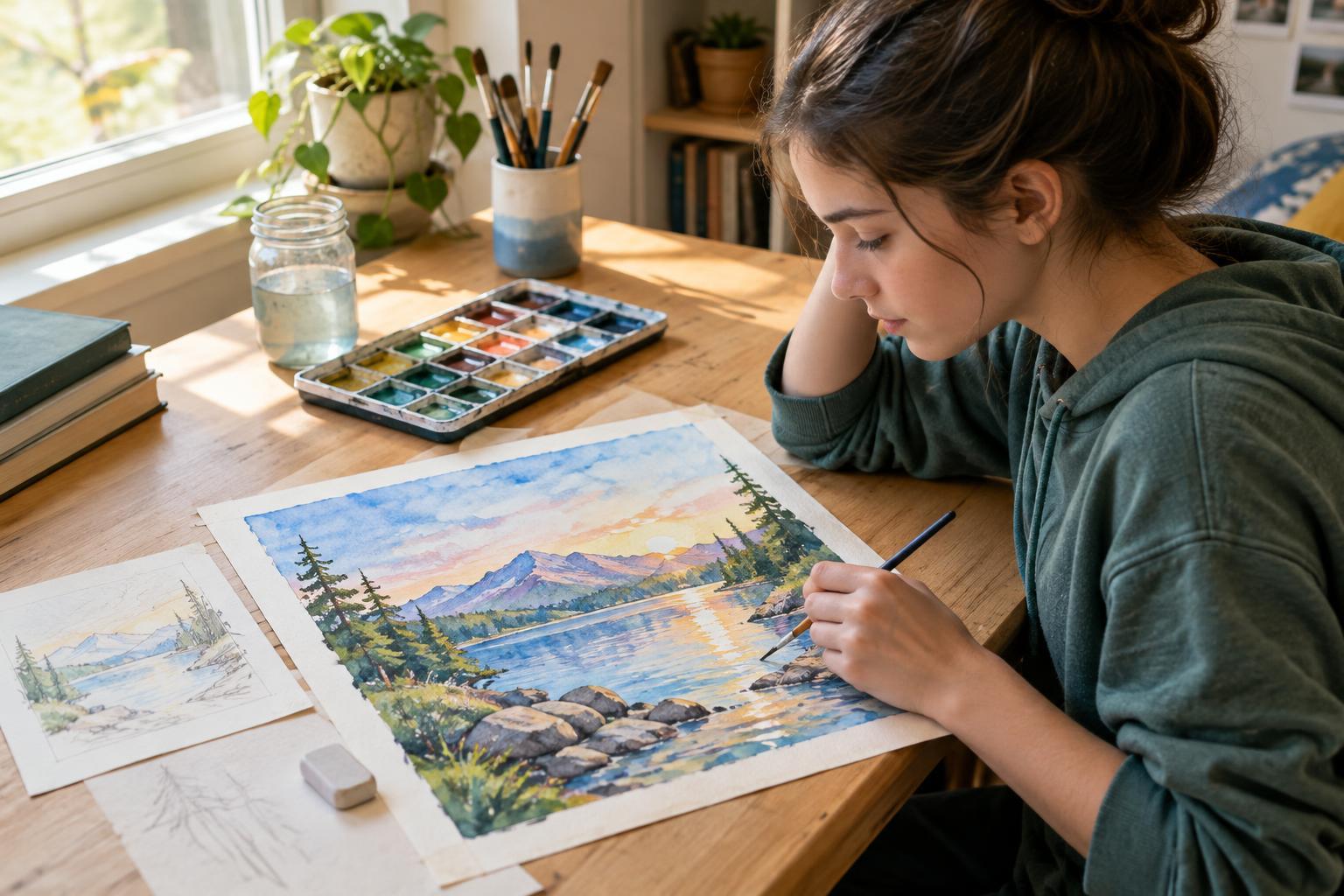
Once the overall shape feels right, look at the small things. For writing, read aloud to find sentences that are hard to follow, repeated words, or dialogue that sounds unlike the character. For visual work, check edges, spacing, and whether important shapes are clear. For audio or video, notice uneven volume, abrupt transitions, or moments when the action is hard to see.
Details are easier to handle when you group them. Try a pass just for clarity, then another for polish. If you switch between every possible concern at once, you may spend a lot of energy without knowing what improved. You also do not need to remove every unusual choice. A deliberately rough line, unexpected phrase, or quiet pause may be part of your style. Ask whether it helps the project rather than whether it looks like somebody else’s work.
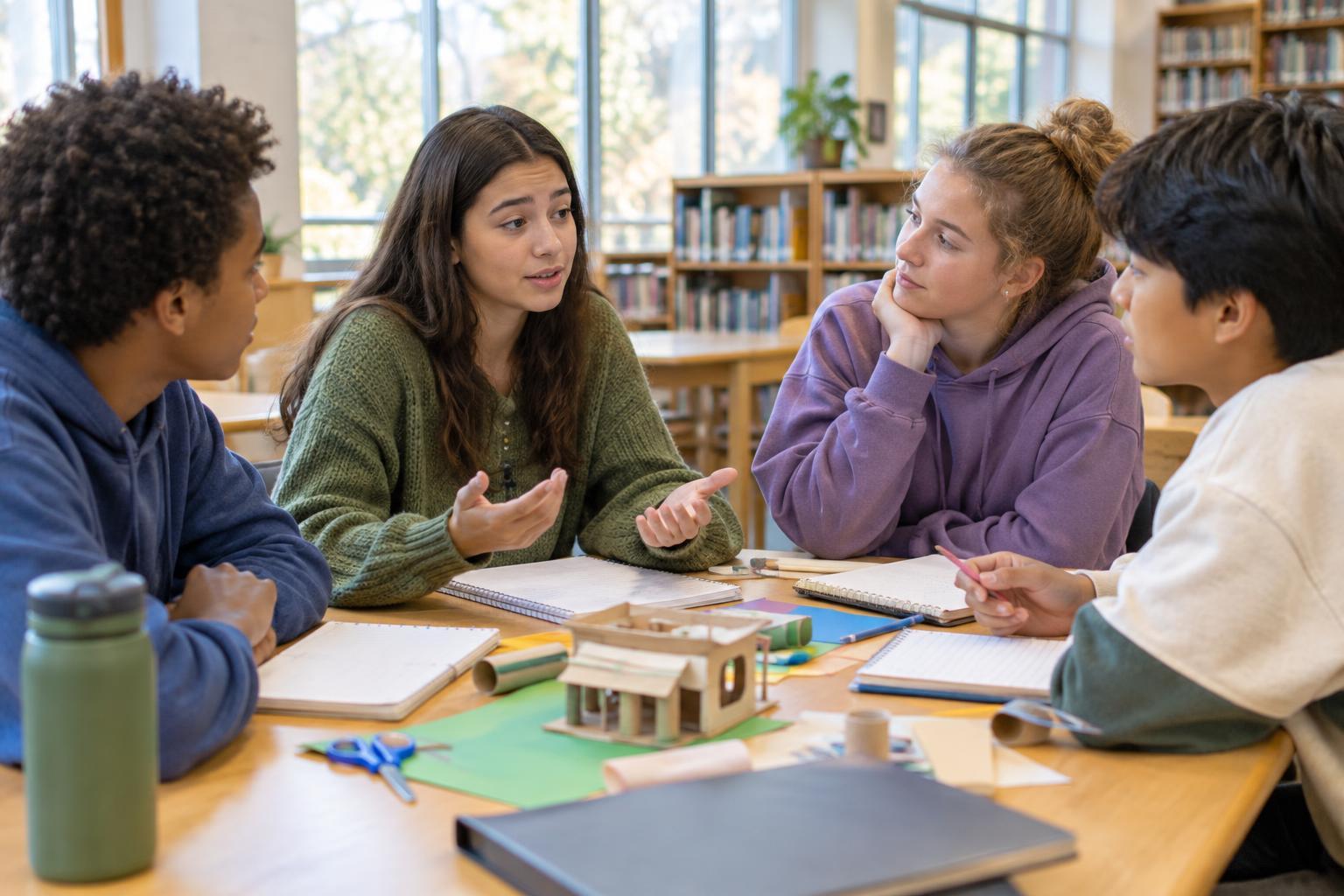
If you want another perspective, ask a trusted person a specific question, such as “Where did you lose track of what was happening?” or “What did you notice first?” Listen for what their experience reveals. You can thank someone for feedback without using every suggestion; the creative decisions remain yours.
Know when to stop
Revision can continue forever if “perfect” is the only finish line. Instead, set a practical goal before your last pass. You might decide the project is ready when its main idea comes through, the parts work together, and you have checked for mistakes that would distract your audience. A class deadline or a plan to share it with a friend can also help you make a decision.
When you finish, note one thing you learned that you could use next time. Perhaps you found that thumbnail sketches help you arrange an image, or that reading a story aloud helps you hear its rhythm. You do not need to make this project demonstrate every skill you hope to develop. Let it be one completed piece, with room for the next one to grow.