Know what is shared and what needs permission
A household can contain several kinds of belongings. Some things, such as a broom or a set of measuring cups, may be available for everyone to use. Others belong to one person, even if they are often left in a common area. A charger on the kitchen counter, for example, is not automatically a shared charger. When you are unsure, ask before taking it.
Permission can include more than a simple yes. It helps to check when the owner needs the item back, whether it can leave the house, and whether there are special ways to use it. If someone says no, respect that answer without arguing. Borrowing works best when people trust that their belongings and boundaries will be treated carefully.
Make a return plan before you start
It is easy to forget an item when you borrow it for a quick task and then move on to something else. Before using it, decide where and when it will go back. You might return scissors to the desk drawer as soon as you finish a project, or put a borrowed book by the door so you remember to bring it back. For an item needed on a certain day, a reminder on your phone or calendar can help.
Return items to the place where their owner expects to find them, not simply to the nearest clear surface. If you do not know the right spot, ask. Returning a shared item promptly matters even when nobody is waiting for it: the next person should be able to find it without searching your room, backpack or pile of papers.
Leave things ready for the next person
Taking care of an item means more than avoiding major damage. Small actions make it easier for someone else to use: wash a pan after cooking, replace the cap on a marker, wind up a cable loosely instead of yanking it, or put all the pieces of a game back in its box. If an item came with instructions, follow them rather than guessing.
Consider the condition in which you received something and what reasonable care looks like after use. A little wear can be normal, especially for frequently used household tools. Still, wiping up a spill, charging a device when that is part of your household’s routine, or mentioning that supplies are running low shows respect for the people who use the item after you.
Speak up when plans change or something goes wrong
Sometimes you cannot return an item when you expected to. Tell the owner or the people sharing it as soon as you know, rather than waiting for them to ask. A straightforward message such as “I still have the headphones; I can bring them back after school tomorrow. Do you need them sooner?” gives the other person a chance to make a plan. If they need the item back earlier, work out a practical handoff.
Accidents happen, too. If you lose, spill on or break something, be honest about what happened and ask how you can help make it right. Do not hide the problem or try a repair that could make it worse without checking first. Depending on the situation, helping to look for a missing item, cleaning up safely or discussing a replacement may be appropriate.
Build habits that work for your household
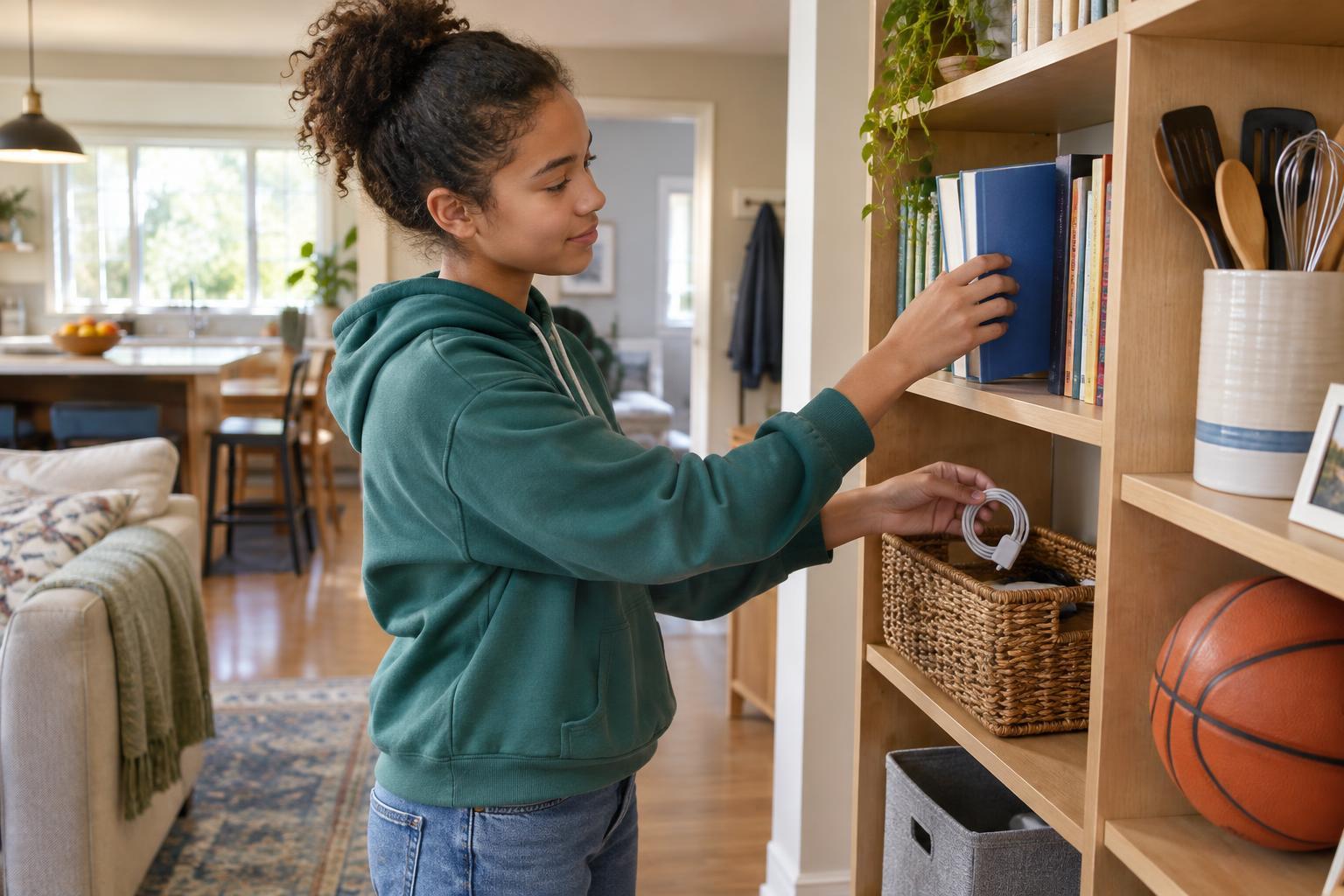
Shared-item rules do not have to be complicated. A clearly labeled storage spot, a small basket for things that need to be returned, or a quick check before leaving a room can prevent many mix-ups. If the same item keeps going missing, talk together about a better system instead of assuming one person is careless. The goal is to make the right action easy for everyone.
Being dependable does not mean never forgetting or making a mistake. It means noticing what you have borrowed, taking reasonable care of it, and following through when you say you will return it. Those everyday actions protect other people’s time and belongings—and help make sharing feel comfortable rather than stressful.