Start with a plan, not a store aisle
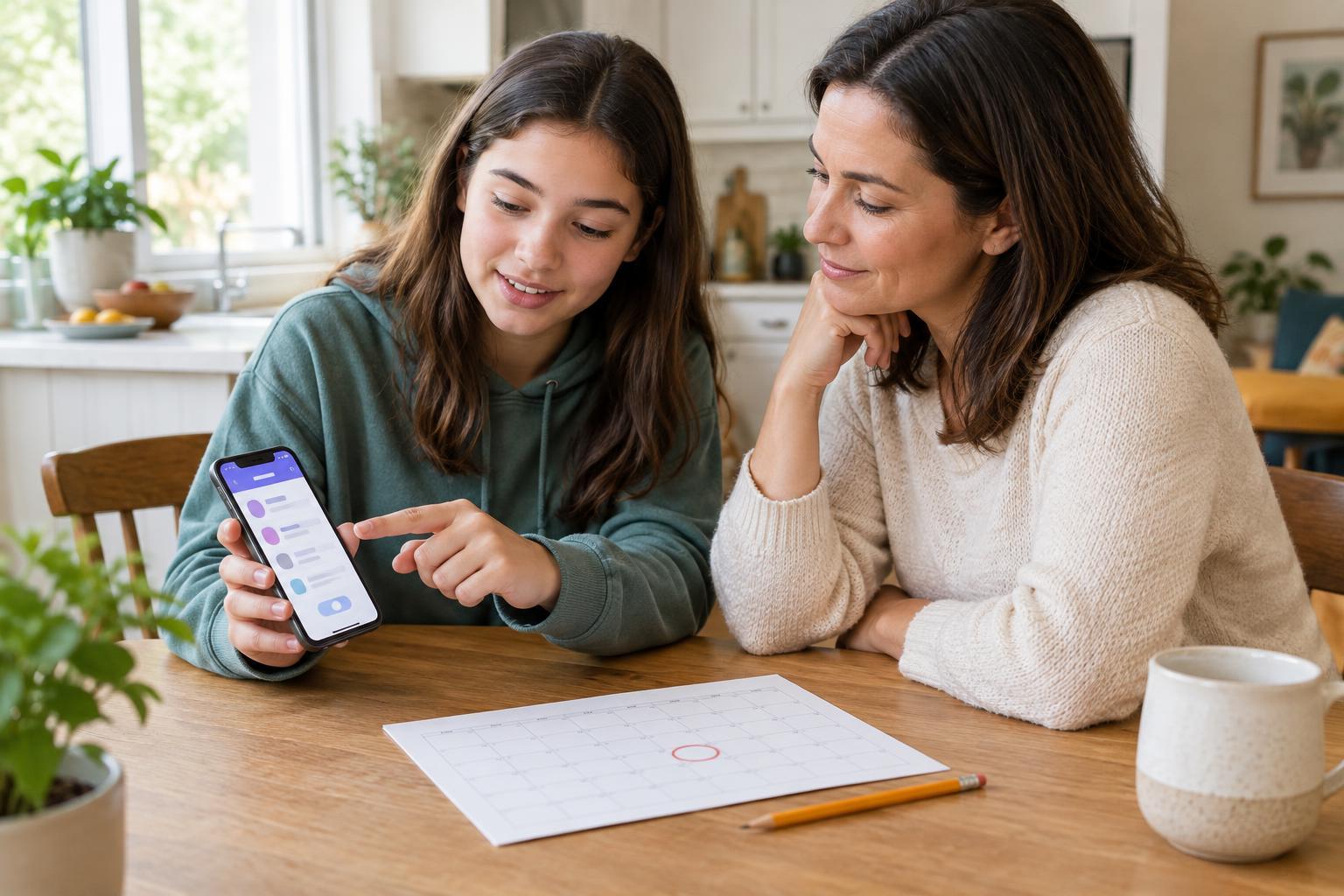
Making a grocery list is easier when you know what the food is for. Think about the next few meals, snacks, or lunches you expect to prepare. You do not need a detailed menu for every day. A simple plan such as “sandwiches for lunch” or “pasta and vegetables for dinner” gives you a reason for each item on the list.
Before writing anything down, check the refrigerator, freezer, and cupboards. You might already have pasta but need a sauce, or have enough bread for two lunches rather than five. If you share food with other people, ask what is available to use and what needs replacing. This quick check can prevent duplicate purchases and help you use food before it spoils.
Turn meal ideas into a useful list
Write down the ingredients you are missing, then add everyday items that are running low. Include an amount when it matters: “two cans of beans” is more useful than “beans.” For foods sold in different sizes, an approximate amount is enough to guide you, such as “about one pound of carrots.” If someone in your household has a food allergy or another dietary requirement, keep that in mind as you choose products.
Group items by where you are likely to find them, such as produce, refrigerated foods, pantry goods, and household supplies. Mark anything essential for a planned meal so you can spot it quickly if you need to adjust your shopping. You can keep the list on paper or in a phone note; the best method is the one you can check and update while shopping.
What a unit price tells you
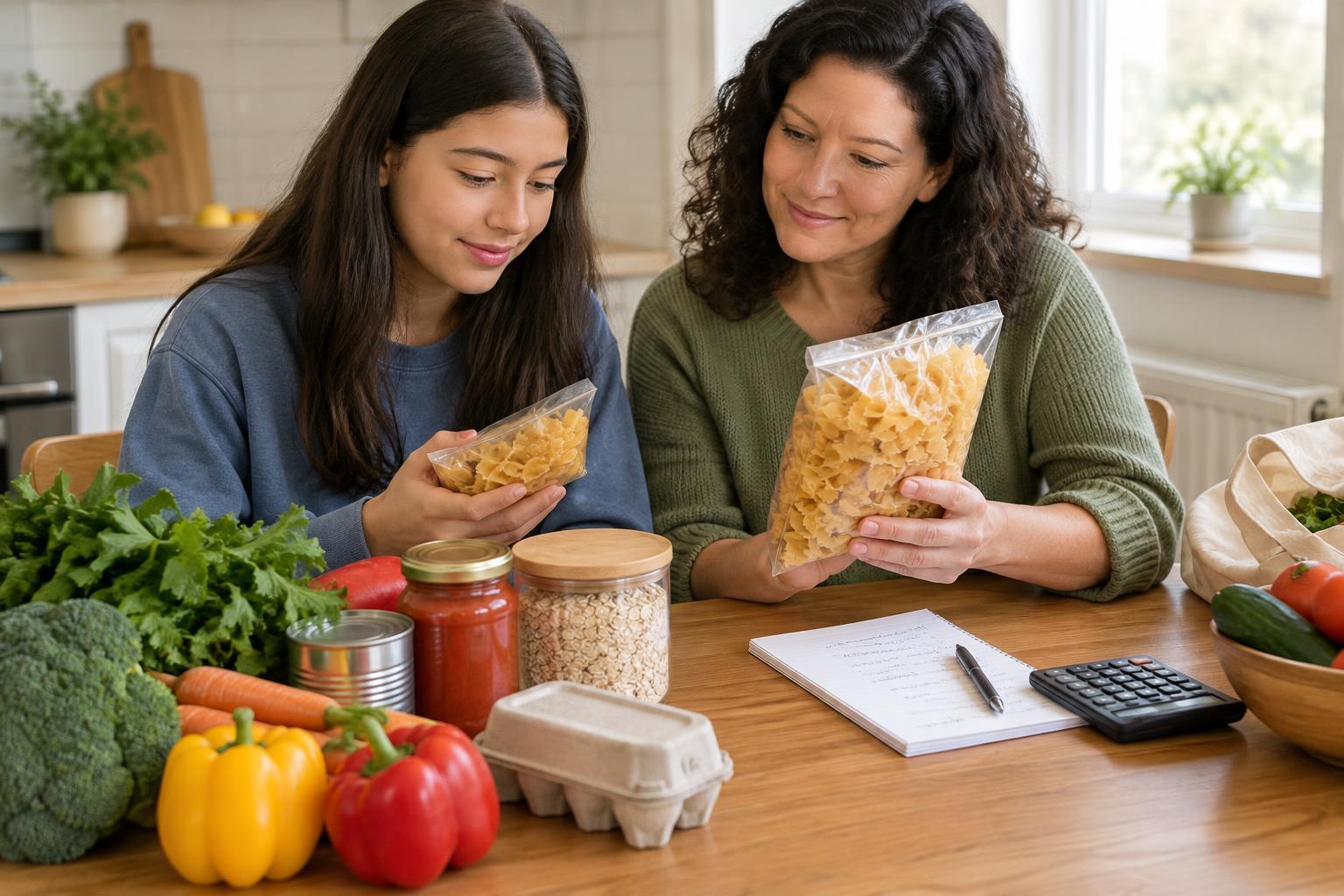
The price on a package tells you what you will pay for that package. A unit price tells you the cost for a standard amount, such as per ounce, pound, or liter. It helps you compare different package sizes. If a 12-ounce box costs $3, its unit price is $0.25 per ounce. If an 18-ounce box costs $3.60, its unit price is $0.20 per ounce. The larger box costs more at checkout but less for each ounce.
Some shelf labels show the unit price. If they do not, divide the package price by the amount in the package. Make sure the units match before comparing: a price per ounce cannot be compared directly with a price per pound. Also check what is inside. A large box with several individually wrapped portions may not be equivalent to a single container, even if the food and total weight look similar.
Choose the better buy for your situation
A lower unit price is helpful, but it is not an automatic reason to buy. If you need only a little food, the smaller package may cost less overall and be easier to finish. Think about how many people will eat it, how long it will keep, and whether you have room to store it. Paying for extra food that goes unused is not a saving.
Compare products you would actually use. A cheaper brand may work well for one recipe, while a particular size or ingredient may matter for another. Sale signs can also distract from your list: an item you did not plan to buy still adds to your total. If you have a spending limit, keep track of your cart as you go and leave some room for small price differences.
Make the next trip easier
At checkout or when you get home, look at what worked. Did you forget an ingredient, buy too much of something, or find a size that suited your household? Add that observation to your next list. You can also note a few prices for foods you buy often, but you do not need to memorize the cost of everything.
Grocery shopping is a skill built through small decisions: planning a use for each item, checking what is already available, reading package amounts, and choosing a price that makes sense for the quantity you need. Your list keeps the trip focused; unit prices give you another way to judge the options.