Start with the situations the plan needs to cover
An emergency contact plan answers a few basic questions: Who should I contact? How can I reach them? What should I do if that does not work? It can help when a phone battery dies, a ride falls through, someone is injured, or family members cannot reach one another. The goal is not to predict every problem. It is to make the first few steps easier to remember.
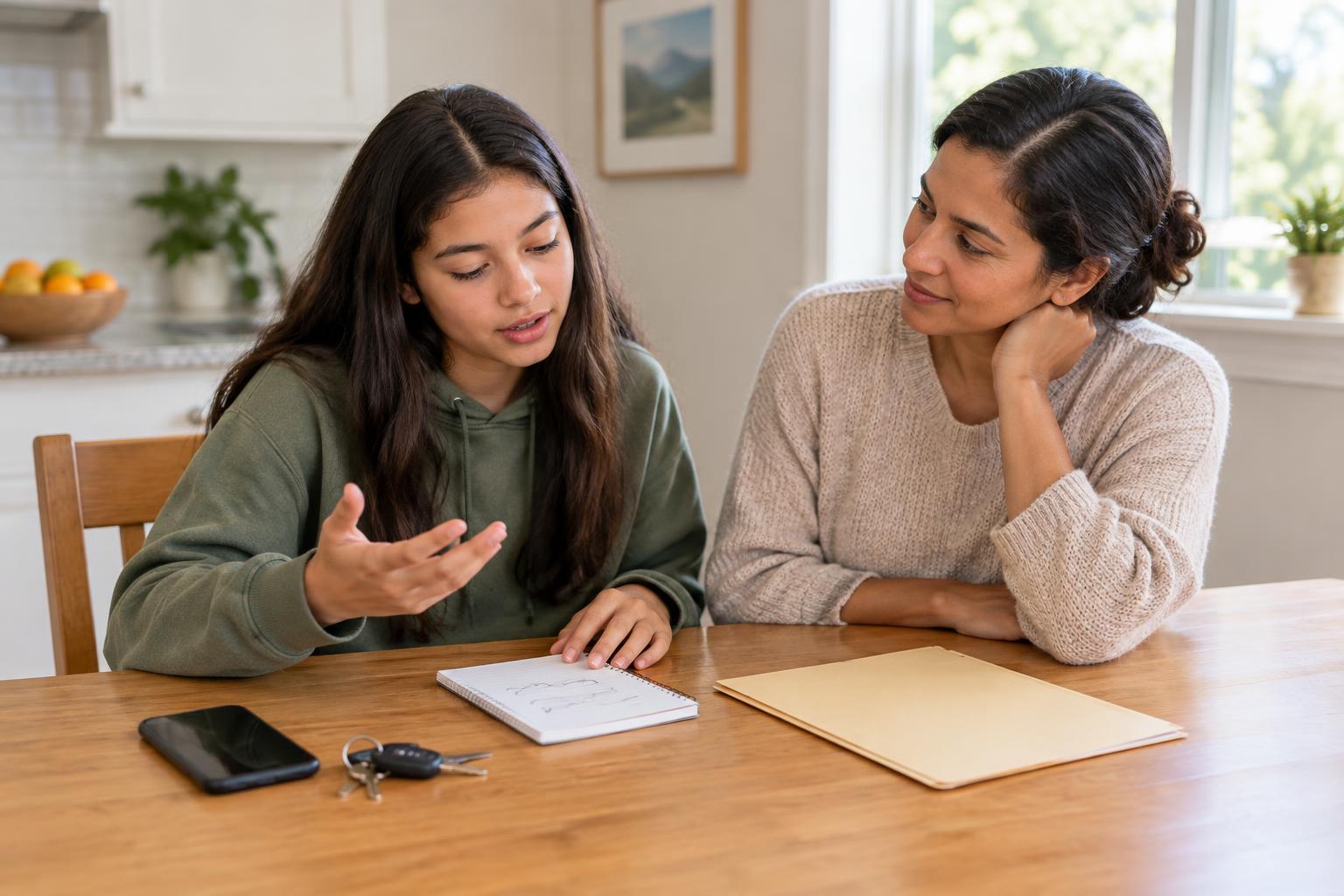
Make the plan together if possible. Teenagers should know what they are expected to do, and adults should hear which steps seem confusing or unrealistic. Agree that if someone is in immediate danger, they should move to a safer place if they can and contact local emergency services. The family contact plan is a way to coordinate afterward, not a substitute for urgent help.
Choose people, places, and backup options
List a primary contact and at least one backup adult. Include phone numbers rather than relying only on names saved in a phone. Ask each person whether they are willing to be listed, and confirm the best number to use. A contact who lives outside the household may be helpful when family members cannot reach one another directly. For younger family members, write down which adults they may go to for help.
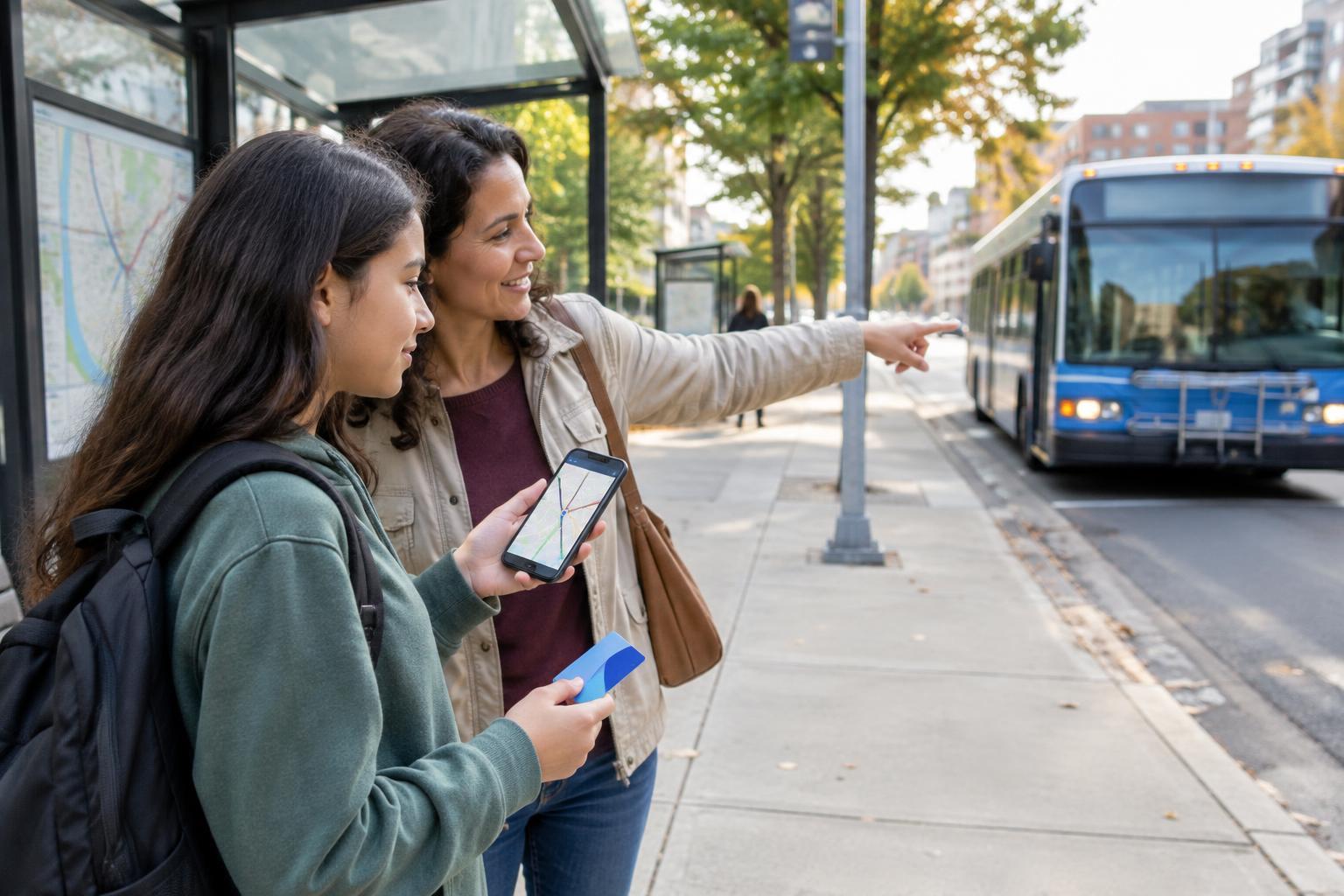
Decide where to meet if returning home is not possible. Choose a nearby place for a small disruption and, if useful, another place for a wider disruption. Pick locations everyone can identify and reach safely; do not tell anyone to travel through an unsafe area just to follow the plan. If your family uses different transportation, schools, or caregiving arrangements, discuss who will pick up whom and what to do if that person is unavailable.
Write check-in steps that work under stress
Keep the instructions simple and in order. For example: get somewhere safe, seek urgent help if needed, contact the primary person, then try the backup if there is no answer. Agree on a short check-in message that gives useful information, such as where you are, whether you are safe, and what help you need. A message like “I’m safe at the library. My phone is low. Please call me” is clearer than “Where are you?”
Plan for common obstacles. Someone may not have their phone, may be unable to speak privately, or may not receive a message right away. Decide whether a family member should leave a voicemail, send a text, use a trusted adult’s phone, or go to an agreed safe location. Make it clear that no one should keep trying to use a phone when doing so would put them in danger. A missed check-in is a reason to use the backup steps, not to assume the worst.
Keep the details easy to find and appropriately private
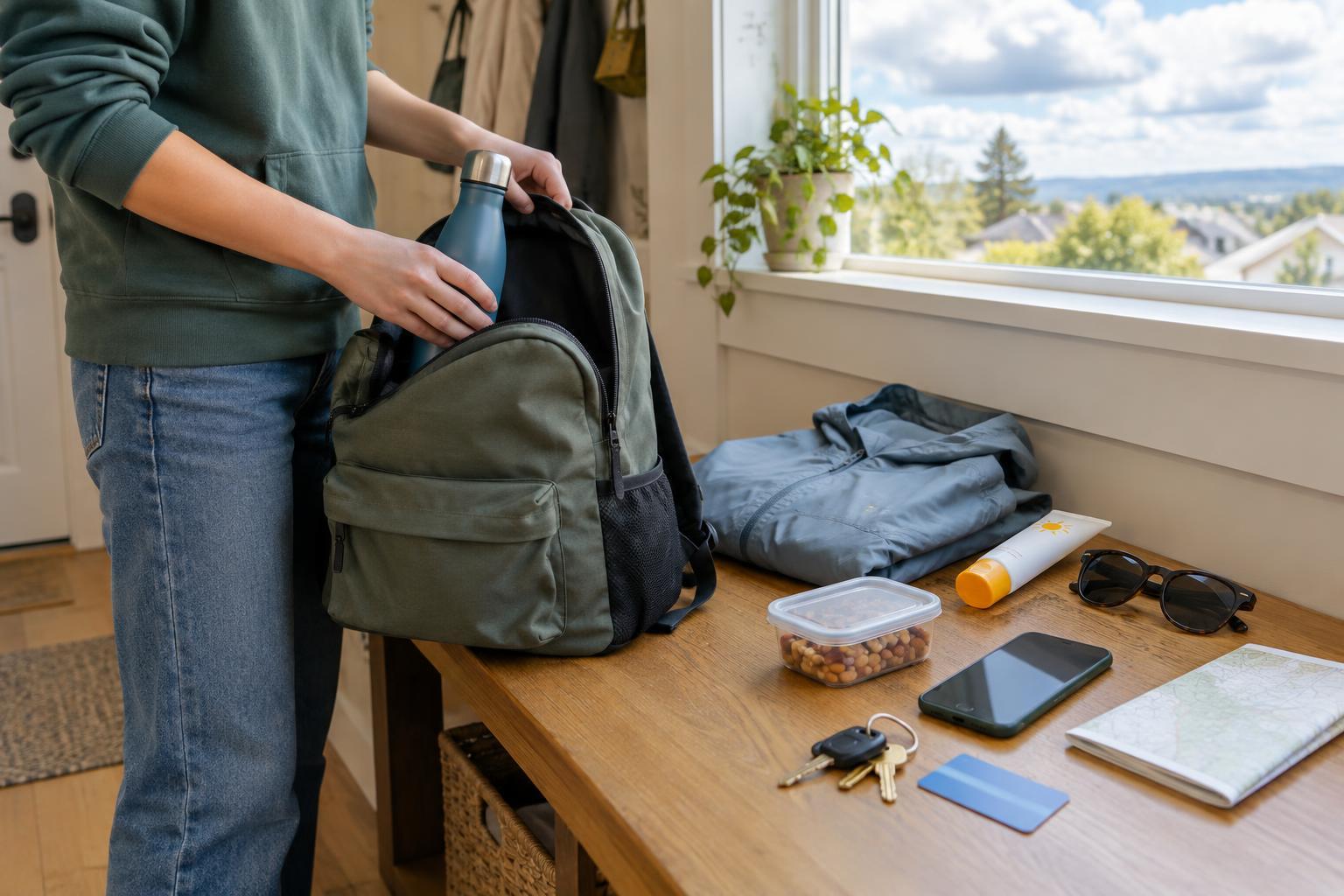
Put the essential information on a small card or sheet: contact names and numbers, meeting places, and any brief instructions someone may need to get help. Keep copies where they are useful, such as in a bag, at home, and with a caregiver. A phone copy can be convenient, but a paper copy still works when a device is lost or out of power. Check that everyone who needs the plan can read and understand it.
Share copies only with people who need them. Avoid putting private information, such as account passwords or detailed schedules, on a card that could be lost. If your household needs to include information about a person’s accessibility or health needs, decide together what is necessary for a helper to know and where to store it. The best plan contains enough to guide action without collecting every personal detail in one place.
Practice once, then keep it current
A short practice run can reveal gaps. Ask each person to find the plan, name the first contact, and explain what they would do if that person did not answer. Try a realistic scenario, such as being away from home with a dead phone. Invite questions without treating mistakes as failures; unclear instructions are a sign that the plan needs editing.
Review the plan when a number, address, school routine, or caregiver changes. Check that listed contacts still agree to help and that meeting places still make sense. Keep the final version brief enough that people will use it. Knowing the next safe step matters more than memorizing a complicated set of rules.