Start with what you want to do
A creative hobby does not have to begin with a shopping list. It begins with curiosity: Do you want to tell stories, make images, build objects, move to music, or try out ideas with other people? Picking an activity you want to do is more useful than picking one because its finished projects look impressive.
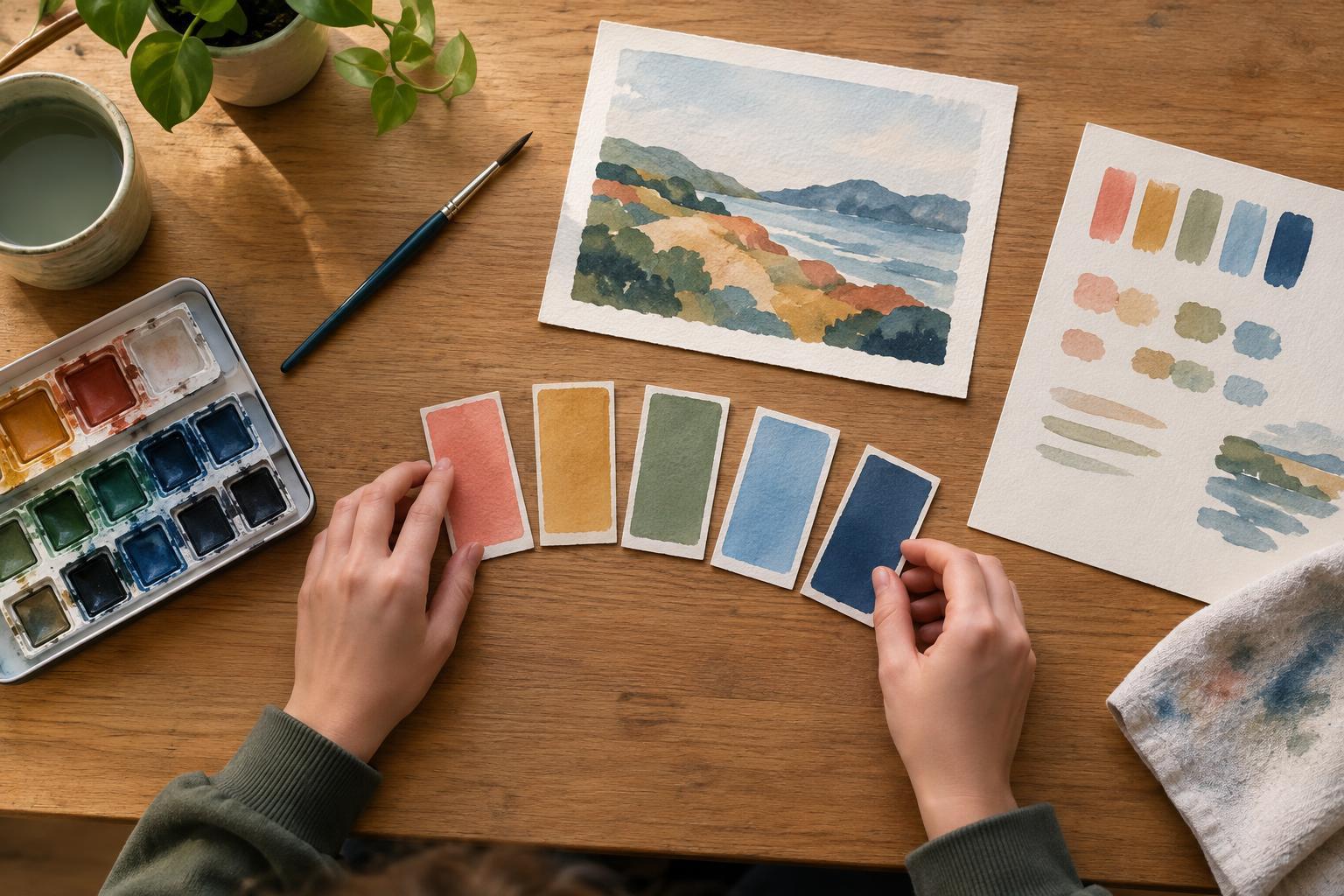
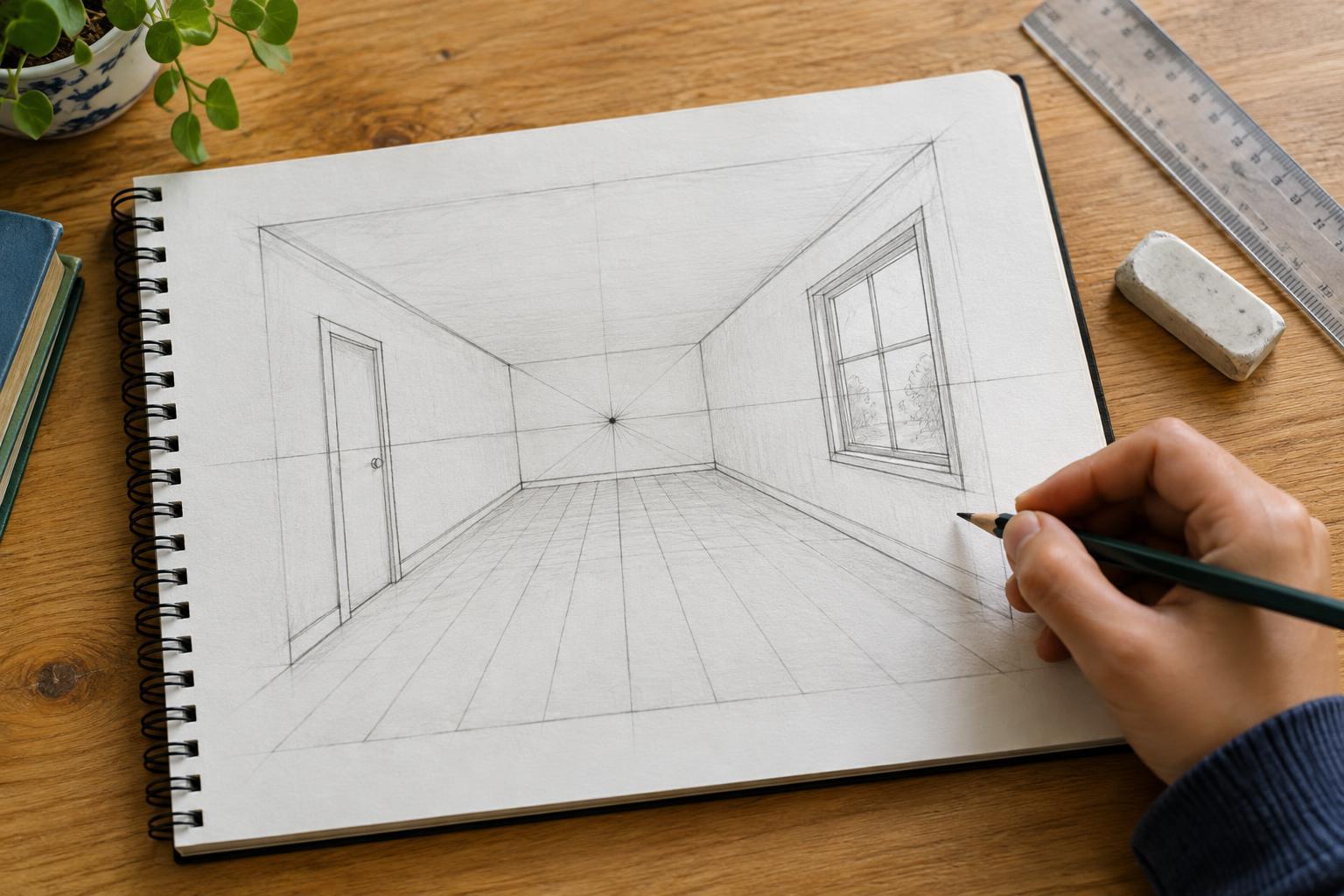
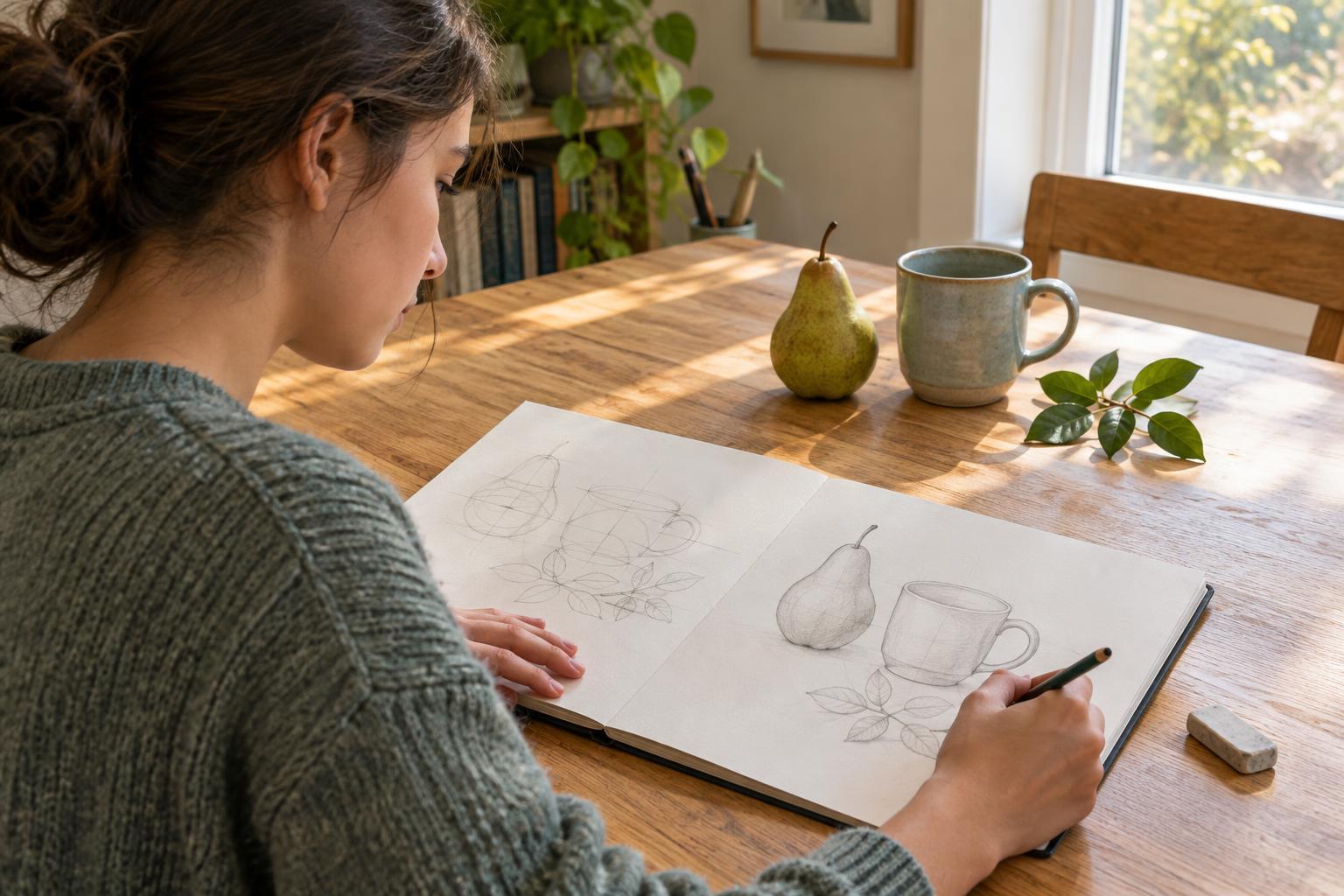
Think about the part of a hobby that appeals to you. If you like inventing characters, try a short story, a comic script, or a scene acted out with a friend. If you enjoy noticing details, try sketching objects around you or taking photographs with a device you already have permission to use. If you like working with your hands, try folding paper or making a collage from clean packaging. You do not need to know which hobby suits you best before you begin.
Choose an experiment, not a permanent hobby
Instead of deciding, “I am going to become a painter,” choose one small project: paint or draw the view from a window, make a four-panel comic, write a page of dialogue, or create a short rhythm using claps and taps. A project with a clear stopping point makes it easier to start and gives you something specific to reflect on afterward.
Give your experiment a little room to go wrong. You might set aside a couple of short sessions, then ask yourself what held your attention. Did you like planning, making, revising, or showing the result to someone? Did you want to try again with a different subject? One awkward first attempt does not tell you everything about a hobby, but noticing which parts you enjoyed can help you choose your next experiment.
Use what is already available
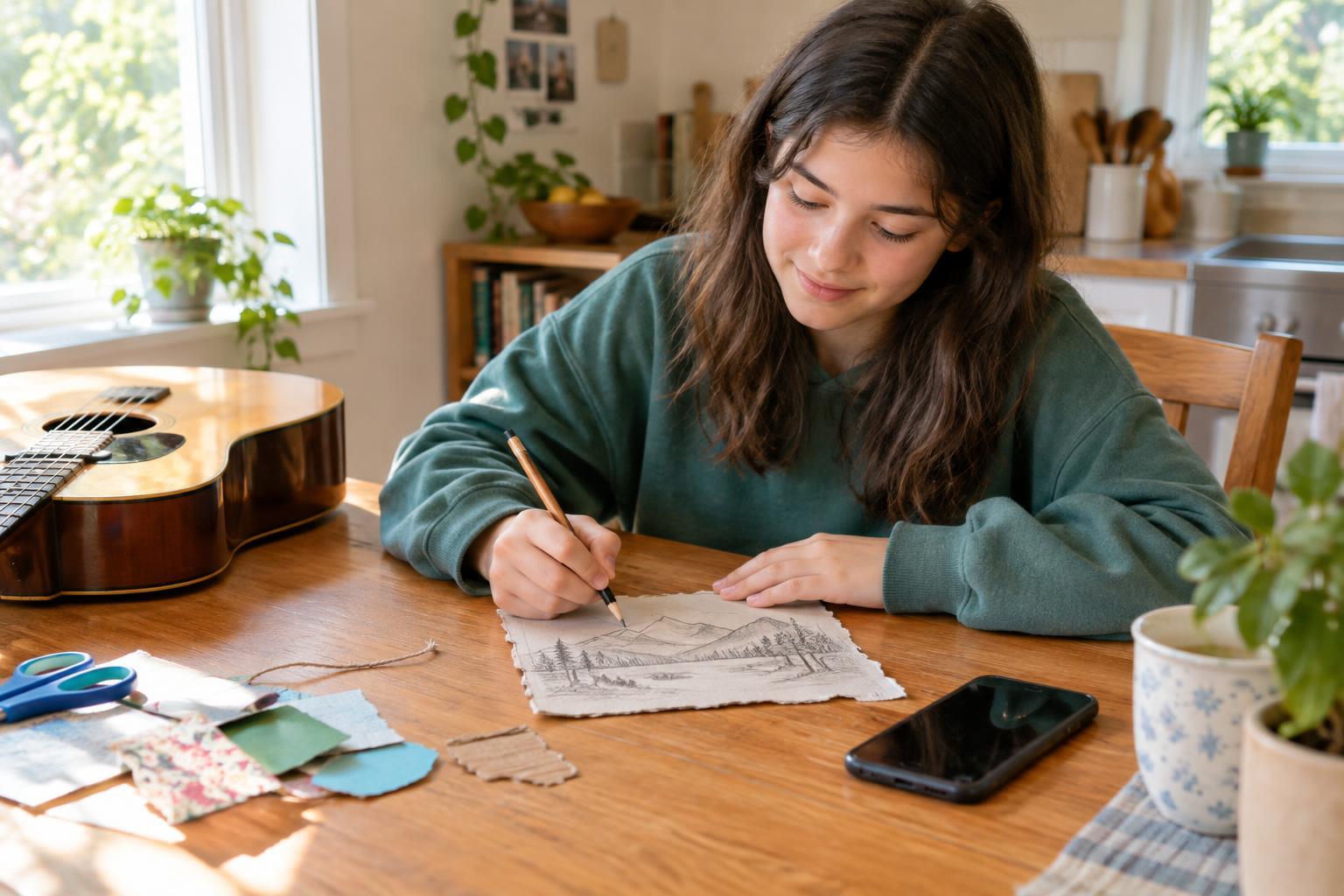
Before buying anything, look for materials you can use safely and with permission. A pencil and scrap paper can support drawing, poetry, lettering, game design, or storyboarding. A phone or tablet can be used for photography or recording sounds if its owner agrees and you follow any household or school rules. Old magazines, cardboard, and clean containers can become collage or model-making materials.
You can also adapt a project to fit what you have. No paint? Explore shading with a pencil. No instrument? Experiment with voice, body percussion, or rhythms made on a tabletop. If a library, school, or community group offers supplies or activities, ask what you may borrow or use there. Shared resources can help you try something before deciding whether you want your own equipment.
Keep the first project manageable
Creative hobbies can feel expensive when you compare your first attempt with someone else's well-equipped workspace. For now, aim for a project small enough to finish with your available time and materials. A single photograph, a folded-paper figure, or a short piece of writing counts. Completing something modest often teaches you more about your interests than collecting supplies for a project you never start.
If you are using shared spaces or materials, plan for cleanup too. Protect a table before cutting or gluing, put tools away, and ask before using anything that belongs to someone else. For projects that involve posting online, remember that making something and sharing it are separate choices. You can enjoy the hobby without publishing your work or including personal details in it.
Spend later, if you still want to
After a few experiments, you may find that a particular tool would solve a real problem. Perhaps your pencil keeps breaking, or you want paper that holds up better to repeated erasing. That is a clearer reason to consider a purchase than the feeling that a hobby requires a full starter kit. If you do want supplies, make a short list of what your next project actually needs and check whether you can borrow or reuse anything first.
It is also fine to switch interests. Trying photography for a week and then returning to writing is not wasted effort; you have learned something about how you like to create. A creative hobby can be private, shared, occasional, or part of a routine. The best one to try next is the one that makes you curious enough to begin with what you have.