Know the purpose before you go
A routine appointment might be a school meeting, a dentist visit, a haircut, or a conversation about an activity you want to join. You do not need to know everything in advance. Start by finding out the reason for the appointment, where it will happen, when you need to arrive, and roughly how long to allow. If someone else arranged it, ask them what they expect to discuss.
Write down the main thing you hope to get from the visit. For example: “I want to understand my course options,” or “I want to know how to care for my teeth between visits.” A simple goal helps you stay focused, especially if the conversation moves quickly. It is also fine to have more than one goal, but put the most important one first.
Gather what you need
Check whether the appointment requires a form, permission from a parent or caregiver, previous paperwork, or a list of things you have tried already. Bring only what is relevant. For a school meeting, that might be your timetable or a piece of work. For a health appointment, it might include information a parent or caregiver helps you collect. If you are unsure what to bring, ask the person or office arranging the visit.
Plan the practical details, too. Work out how you will get there, who is coming with you, and how you will let someone know if you are delayed. Put the time and location somewhere you can find them. If the appointment is online, check the connection instructions and choose a place where you can hear and speak comfortably.
Make a short question list
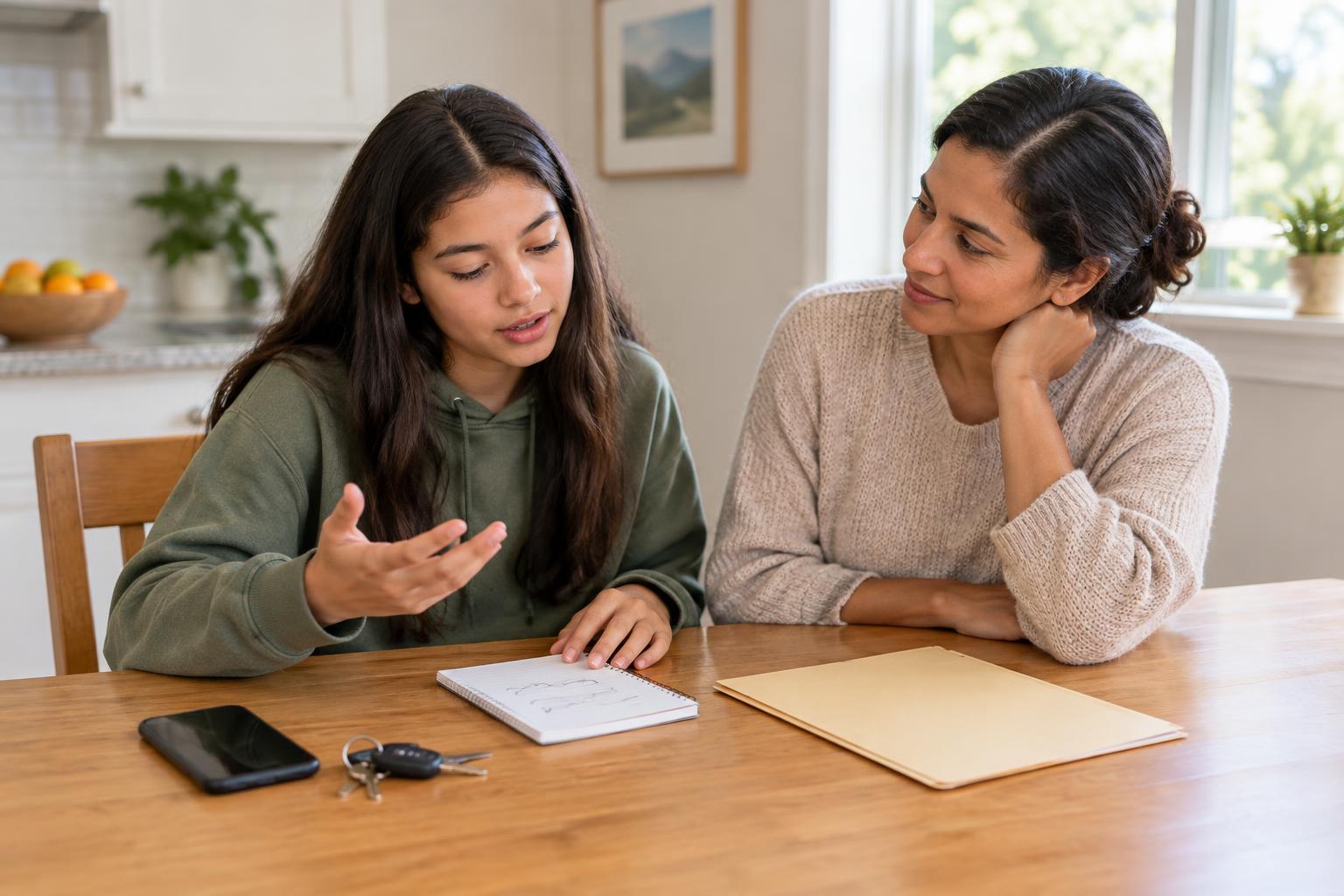
You are allowed to ask questions even when an adult or professional leads the conversation. Beforehand, write two or three questions in your own words. Useful starters include: “What are my options?”, “What does that word mean?”, “What should I do next?”, and “When should I check back?” Questions about costs, materials, schedules, or who to contact later can also be helpful when they fit the appointment.
If you are discussing something personal, decide what you feel comfortable sharing and what you need help explaining. You can ask a trusted adult to help you prepare or attend if appropriate. You can also say at the start, “I wrote down a few questions because I don’t want to forget them.” Reading from your list is not rude; it is a way to make good use of the time.
Speak up when something is unclear
During the appointment, listen for the answer to your main question, but do not worry about sounding perfect. You can pause and say, “Could you explain that another way?” or “Can you give me an example?” If you need a moment to think, say so. Repeating an instruction back in your own words can help: “So I should complete the form first, then send it to this office—is that right?”
Some appointments involve decisions you cannot make alone. The rules may depend on the setting and your situation, so ask who needs to be involved rather than guessing. If a conversation feels uncomfortable, you can ask what will happen with the information you share and whether you can speak with a trusted adult. For health concerns, ask a qualified healthcare professional for guidance rather than relying on an appointment checklist.
Leave with a clear next step
Before you finish, check what happens next. Is there a task for you, a task for someone else, or another appointment to arrange? If there are several steps, ask which one comes first. You might write down a name, a deadline, or the best way to follow up. When the appointment ends, compare your notes with the question list you brought and mark anything that still needs an answer.
Afterward, tell any parent, caregiver, or other person involved what they need to know, while respecting your own and other people’s privacy. Put forms or reminders somewhere you will notice them. Preparing, asking, and following up are skills that improve with practice. You do not have to handle every appointment by yourself to take an active part in it.