Start with what matters to you
Community service does not have to begin with a grand cause or a special talent. Think about the people, places, or activities you already care about. Maybe you enjoy reading with younger children, caring for shared outdoor spaces, making art, or helping at a neighborhood event. Those interests can give you a starting point for finding work you will want to do well.
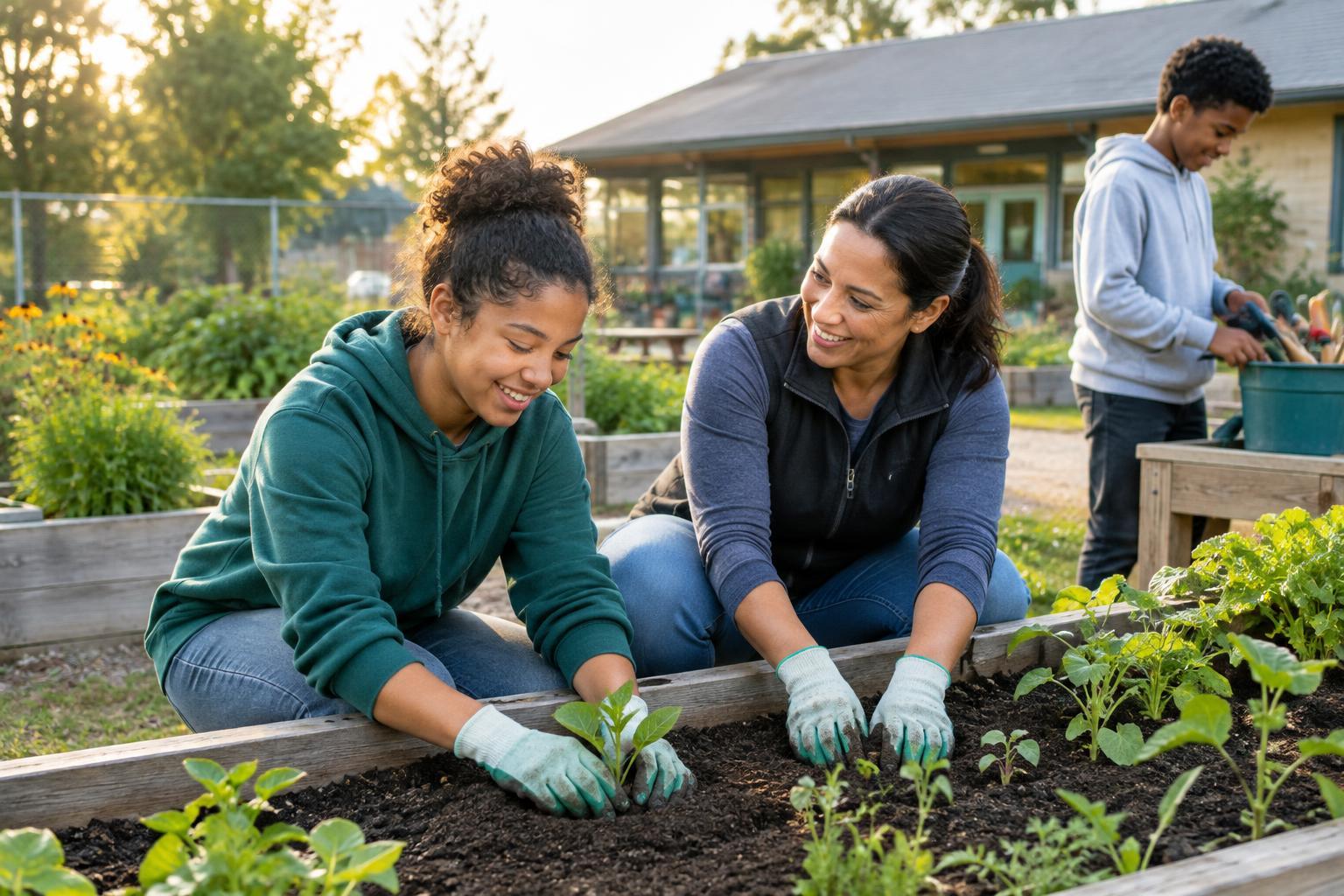
Try writing down three things you like doing and three things you would like to learn. Then look for places where either list might be useful. Someone who likes organizing could help sort supplies. Someone curious about gardening might join a supervised planting day. You do not need to be an expert; being willing to listen, arrive prepared, and follow through can matter just as much as a particular skill.
Match your interests to a real need
A good fit has two sides: what interests you and what a group actually needs. Before signing up, read the role description or ask an organizer what volunteers will do. A food pantry may need help packing boxes rather than planning menus. An animal shelter may have age limits for working with animals but welcome help with a supply drive. Let the organization explain its priorities instead of assuming which tasks would help most.
Keep an open mind about less visible jobs. Setting up chairs, checking supplies, or cleaning up afterward may not sound exciting, but these tasks can help an event run smoothly. At the same time, it is fine to look for another role if a task is not a good match. Useful service is a partnership, not a test of whether you can enjoy every activity.
Check the practical details
Before you commit, find out when and where the work happens, how long a shift lasts, what to wear or bring, and whether training is provided. Ask whether volunteers need a parent or guardian’s permission, an adult supervisor, or a minimum age. If you need transportation, discuss the plan with your family or another trusted adult before saying yes. A short commitment you can reliably meet is better than a long one that conflicts with school, rest, or other responsibilities.
It also helps to ask who your contact person will be and what to do if you cannot attend. Clear expectations make it easier to contribute and to speak up if something changes. If a role involves entering private homes, handling sensitive information, or meeting unfamiliar people, pause and review the arrangements with a trusted adult. Choose settings with clear supervision and boundaries that make sense for your age.
Try one step before making a big commitment
You can learn a lot from a single event, an introductory meeting, or a short project. Notice how the organizers explain tasks and answer questions. Do you understand what success looks like? Do you feel able to ask for help? Are volunteers treated respectfully? These observations can tell you whether you want to return, even if the cause itself interests you.
Afterward, take a few minutes to reflect. What part of the work held your attention? What felt harder than expected? Did the schedule work? You might discover that you like behind-the-scenes tasks more than public-facing ones, or that you would rather contribute through a school club than travel to another location. Trying something and deciding it is not your fit is still useful information.
Contribute respectfully and keep learning
Once you choose a role, ask how the organization wants volunteers to help. Follow its instructions, respect people’s privacy, and avoid sharing photos or stories about others without permission. Community members know their own needs better than a new volunteer does. Listening first can prevent well-meant help from creating extra work.
Your interests may change, and your service can change with them. You might return to the same group, try a different task, or take a break when your schedule is full. Community service works best as a dependable contribution you can make with respect, not a competition to collect hours. Start with a manageable opportunity, do what you agreed to do, and use what you learn to choose your next step.