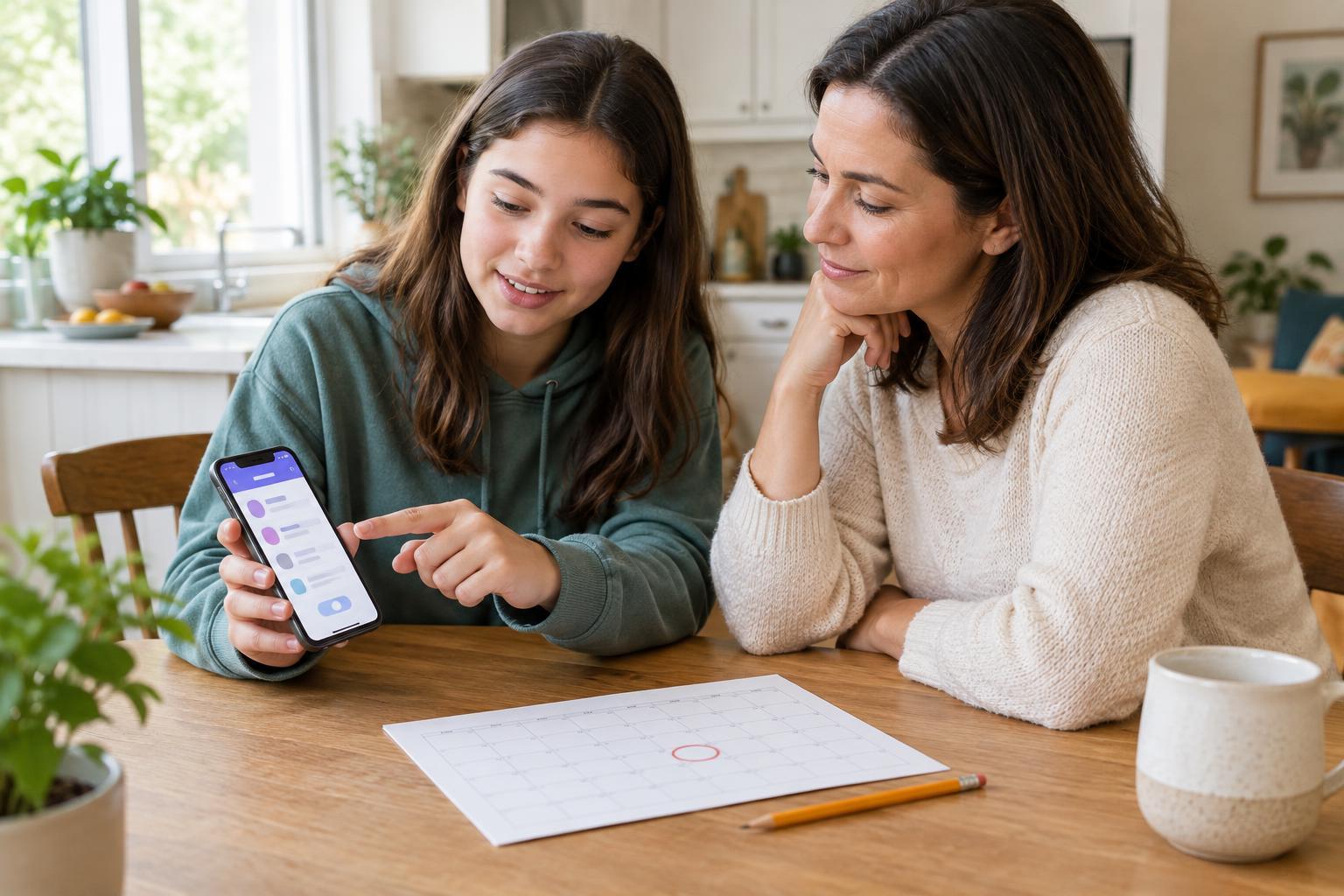
Start with what your money needs to do
A budget is a plan for money you expect to receive and spend. It helps you decide what matters before a purchase catches your attention. Whether your money comes from an allowance, occasional jobs, or part-time work, your first budget can be simple. A notebook, a notes app, or a spreadsheet is enough. The useful part is checking the plan and changing it when your situation changes.
Begin by writing down what you are responsible for paying. You might buy your own snacks, cover a bus fare, contribute to a phone bill, or save for a school activity. Responsibilities vary from family to family, so ask a parent or caregiver if you are unsure what they expect you to cover. Then list things you would like to buy and goals you want to save for. Keeping these lists separate makes it easier to see which costs need attention first.
Estimate the money coming in
Write down how much money you usually receive and when it arrives. A regular allowance may be easy to plan around. Part-time hours or occasional jobs can be less predictable. If the amount changes, make your plan using an amount you can reasonably expect rather than the most you have ever earned. Treat anything extra as a chance to update your budget, not as money you have already promised to spend.
Use the same time period for income and expenses. If you are paid every two weeks, you can make a two-week plan. If most of your costs happen monthly, a monthly plan may be easier. For earnings from a job, plan with the amount you actually receive, which may differ from the amount based on your hours and pay rate. Checking a pay statement with a trusted adult can help you understand the difference.
Give each amount a purpose
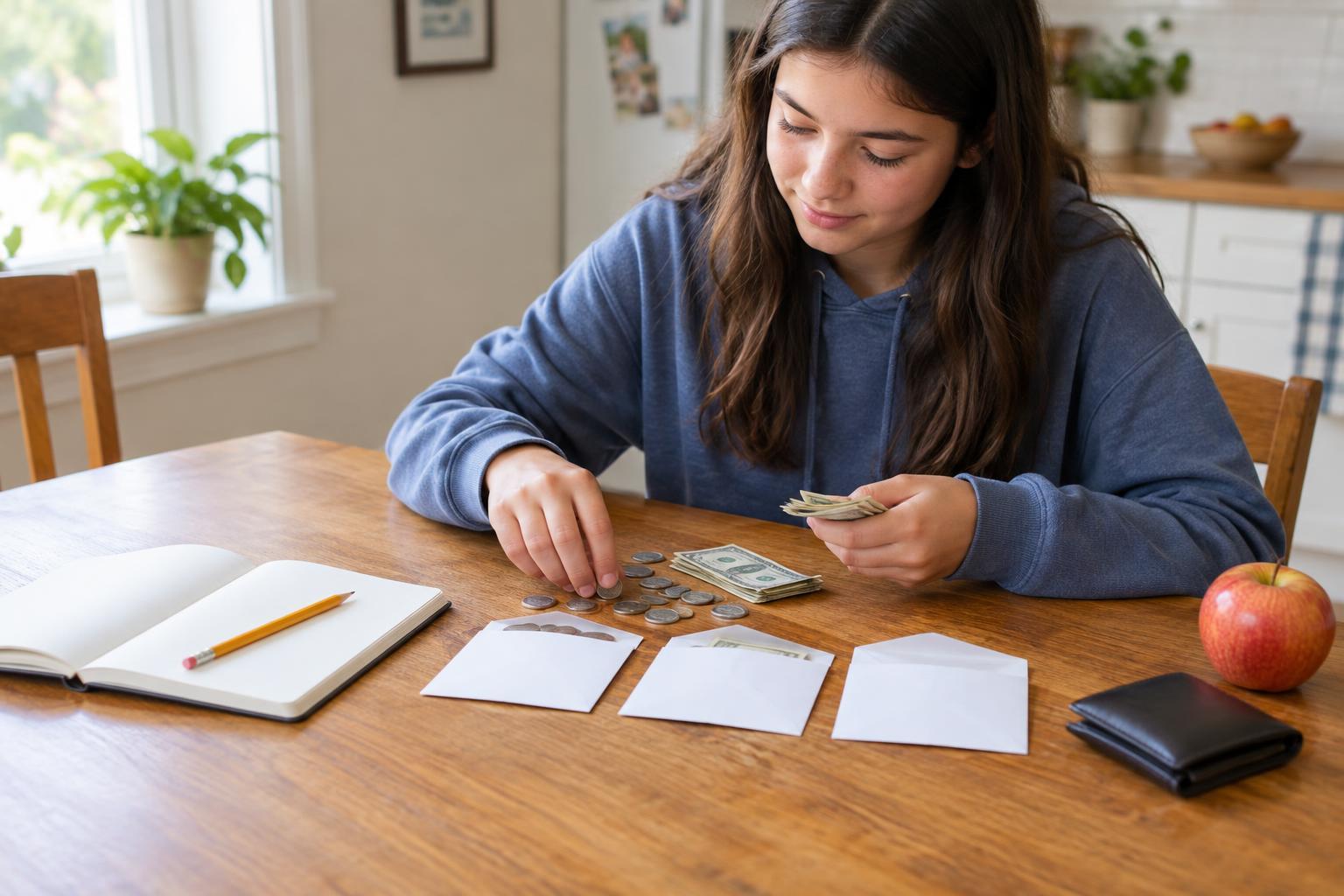
Next, group your planned spending into a few categories: regular responsibilities, flexible spending, and savings goals. Regular responsibilities are costs you need to cover, such as agreed-upon transport expenses. Flexible spending includes choices like games or treats. Savings can be for something specific, such as a bicycle, or for future costs you cannot name yet. You do not need a perfect percentage for each category. The amounts should reflect your actual responsibilities and priorities.
For example, imagine you expect to have $40 over the next two weeks. You might plan $12 for transport, $10 for flexible spending, $15 toward a goal, and $3 for small surprises. This is only an example, not a rule. Make sure your planned amounts add up to no more than the money you expect. If they do not fit, decide what can wait or become smaller. Setting aside money for an occasional cost now can be less stressful than trying to find it all at once later.
Track spending without judging yourself
Once your plan is in place, record purchases as they happen. A quick note with the amount and category is enough. Check what remains before spending again, especially if you use a card or phone payment and cannot see cash leaving your hand. If you share a device or account, protect your privacy by keeping financial details in a place that only the appropriate people can access.
At the end of your budget period, compare the plan with what happened. Perhaps transport cost more than you expected, or you spent less on snacks. Neither result means you failed; it gives you information for the next plan. If you went over in one category, look at why. Was it a one-time event, an expense you forgot, or an amount that was too small from the start? A budget becomes more useful as you learn from it.
Make room for changes and choices
Your budget should help you make decisions, not make every decision for you. Before an unplanned purchase, try asking: Do I have money left in this category? Will buying this delay something I care about more? Would I still want it after waiting a day? Pausing can be especially useful when a deal or in-app offer makes a purchase feel urgent.
Review your plan whenever your income, responsibilities, or goals change. If your work hours drop, you may need to reduce flexible spending before changing an essential commitment. If you receive extra money, you can choose how much to save and how much to use now. You can also ask a trusted adult for help thinking through a decision while keeping ownership of your choices. A first budget is a practice tool: start small, check it regularly, and adjust it to fit your life.